Have you ever found yourself checking your smartwatch for the umpteenth time in a day, wondering if it’s become more than just a timepiece? Millions, like Ruth Clegg, track every aspect of their health with devices like Apple Watch and Samsung Galaxy Watch. These wearables promise better health insights, but do they also tether us to more stress? This analysis delves into the emotional and psychological bonds we form with our smartwatches, fueled by constant reminders and data points monitored 24/7. From enhancing fitness routines to overloading with statistics, each chapter will unravel how these tech gadgets shape, and perhaps complicate, our everyday lives.
The Love-Hate Relationship with Smartwatches
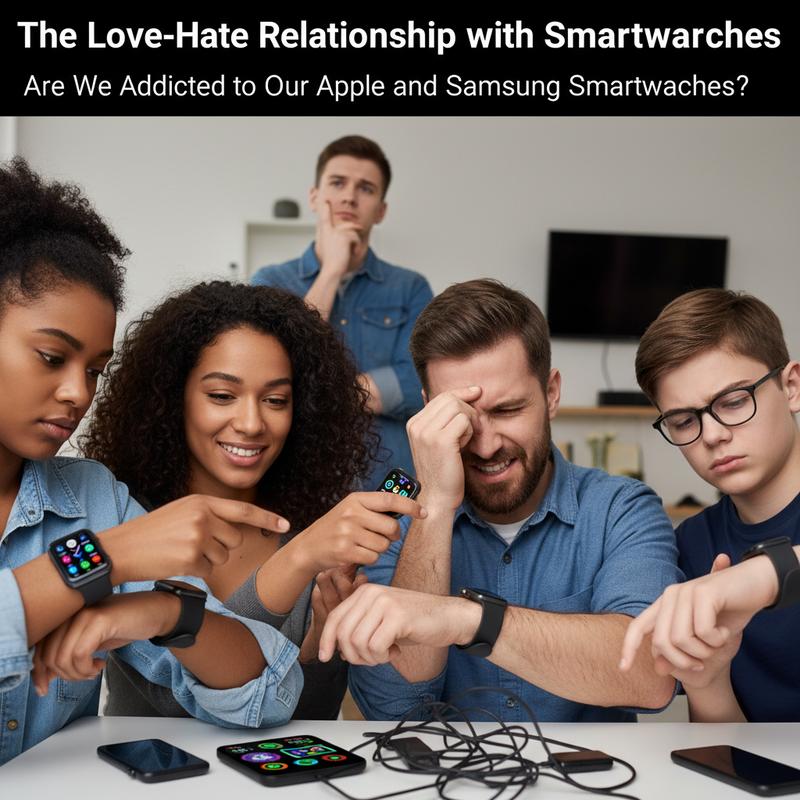
Smartwatches have rapidly woven themselves into the fabric of our daily lives, offering much more than just telling the time. These digital companions track every conceivable metric, from heart rates and sleep patterns to more complex functions such as blood pressure and glucose levels. Yet, the relationship users have with these all-knowing wrist gadgets is increasingly complex and, in many cases, contradictory.
Ruth Clegg, a health and wellbeing reporter, shares her own smartwatch experiences. At the start of a community parkrun, the need to synchronize her device becomes a shared ritual among participants. The story of runners adjusting their settings just before a race underscores the acute reliance many now have on technology to track performance. The ubiquity of smartwatches among fitness enthusiasts is no accident. The market, dominated by giants like Apple, Samsung, and Garmin, has something for everyone, from entry-level models priced at £100 to luxury options that can reach several thousand pounds.
While these devices promise to enhance physical and mental well-being, not everyone finds them liberating. For some, they create additional stress due to relentless notifications and performance statistics. Rachael Fairclough, a smartwatch user, describes her relationship with her Apple Watch as somewhat ‘overwhelming’. The device prompted her to switch to pregnancy mode during her pregnancy, and now, as a new mother, it insists on reminding her of her sleep deprivation. However, despite her frustrations, she feels a deep attachment to the fitness insights it provides.
Each device employs unique ways to monitor the vitals of their users. Sensors, primarily on the back of the watch, use green LED lights or subtle electrical currents to capture data. However, as these features grow in number and scope, interpretation becomes daunting. Niels Peek, a professor of data science, points out the potential for these devices to identify asymptomatic diseases, a capacity that could save lives. Yet, he warns of a downside—transforming users into ‘the worried well’, in a state of persistent health anxiety stemming from misunderstood metrics.
Instances of smartwatch-induced stress are not uncommon. Clinical psychologist Lindsey Rosman discovered that among cardiovascular patients, 20% experienced heightened anxiety due to the data their devices provided. Misinterpretation of metrics, she found, could lead to unnecessary panic and increased use of healthcare services.
However, not all stories echo these anxieties. Andrew Fishwick sees his smartwatch as a supportive crutch for improving performance and motivation. Similarly, other users like Mark Morton have positively adjusted their lifestyles thanks to insights from these devices, especially in enhancing sleep quality.
Despite their benefits, the accuracy of smartwatch data remains a significant concern. Dr. Kelly Bowden-Davies cautions that while smartwatches are excellent tools for baselines, they’re not replacements for clinical diagnostics due to their varying accuracy across different activities and conditions.
The love-hate relationship with smartwatches is as varied as their users. While they offer significant benefits, from lowering stress to enhancing sleep, they also challenge users with an onslaught of data that can lead to anxiety. As technology progresses, the debate over their benefits versus drawbacks is likely to intensify, reflecting the broader question of our reliance on digital devices for personal health insights.
Final thoughts
The allure of smartwatches like Apple’s and Samsung’s remains undeniable, blending convenience with motivation. Yet, as they weave deeper into our lives, striking a balance between benefits and potential stress becomes crucial. Users should harness their capabilities without letting health insights transform into anxiety drivers. Crucially, understanding one’s personal needs and setting boundaries can make these devices true companions rather than chains. As technology evolves, staying aware of how deeply it’s intertwined with our lives will help us benefit from it wisely.