As AI shows up more and more in our work lives, it brings real upsides and real headaches. It can boost efficiency, cut costs, and help people make smarter decisions. But it can also push some jobs out and make work feel less human. Below, we’ll look at three big angles: how AI changes the tech side of work, what it does to the economy, and how it affects people and workplace culture. With a clearer picture, remote workers, small business owners, and office teams can deal with the tricky parts and still get the best out of AI.
AI: Changes and Challenges at Work
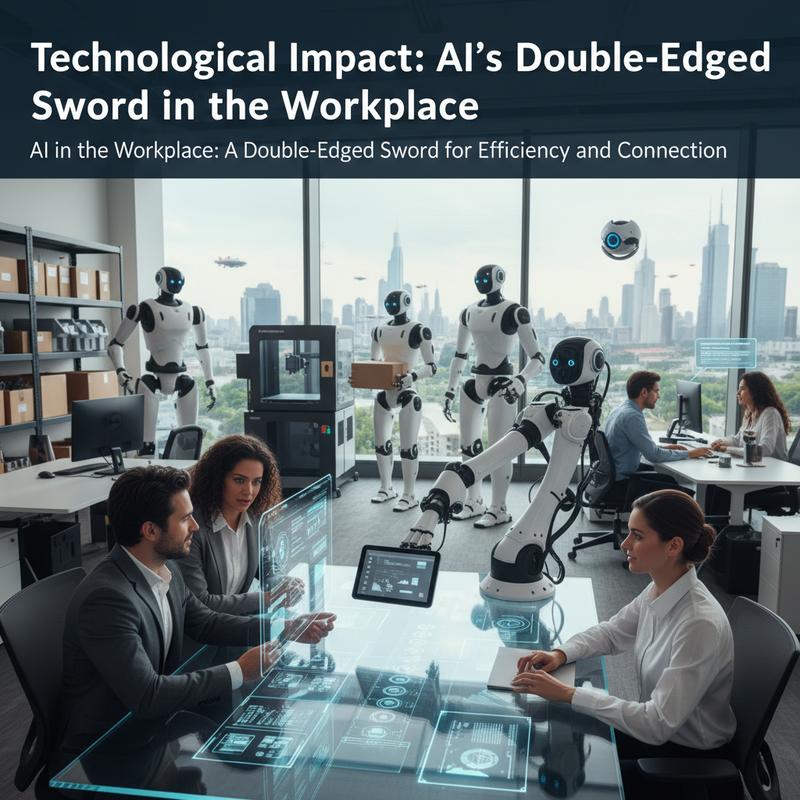
AI at work can feel like a double-edged sword. It can deliver a big jump in productivity—some estimates say strategic automation could add $4.5 trillion to U.S. labor productivity. But without thoughtful rollout and strong human oversight, it can also cause serious disruption.
Productivity Gains and Workforce Empowerment
AI-powered productivity isn’t some far-off idea—it’s already happening. Research shows 93% of U.S. jobs are already affected by AI in some way, with an average exposure score of 39% across roles. And it’s not limited to one industry. Legal, healthcare, and education are already seeing real changes as AI helps automate routine tasks. When AI takes on the repetitive work, people get time back for higher-value work—planning, problem-solving, and creative projects—what some call a “supercharged progress” path.
Thing is, most workers don’t just disappear. Their jobs shift. With AI acting more like a “teammate,” people can focus less on busywork and more on tasks that need judgment, creativity, and critical thinking.
Navigating Job Displacement and Social Disconnection
But the downside is real. AI can cut into traditional roles and weaken the social side of work. Some analysts point to 2026 as a major turning point—an “age of displacement”—when disruptions could hit their peak. Right now, AI automation impacts 11.7% of jobs, and forecasts suggest layoffs could rise while entry-level roles shrink as companies shift money away from hiring and into AI upgrades.
And workplace relationships can take a hit, too. Early adopters have reported weaker coworker connections, often tied to changes in how teams communicate and work together. Without deliberate plans for new roles and new skills, AI’s growth could contribute to unemployment and bigger social divides.
Striking a Balance: Strategies for Harmonious Integration
Still, AI can’t fully replace human judgment and emotional intelligence—especially in areas like management and administration. Leaders are being pushed to build digital skills, adaptability, and a habit of ongoing learning into their teams, along with safety nets like reskilling programs. The goal is to make AI a support tool, not an excuse to cut headcount.
Many reports also point to the value of clear “human + AI” collaboration setups—a “co-pilot economy” where AI helps people do more instead of pushing them out. So the path forward isn’t just adopting the tech. It’s rolling it out in a way that keeps empathy, good judgment, and real human connection in the mix, so AI and people can work well together.
Economic Impact: How AI Could Change Growth
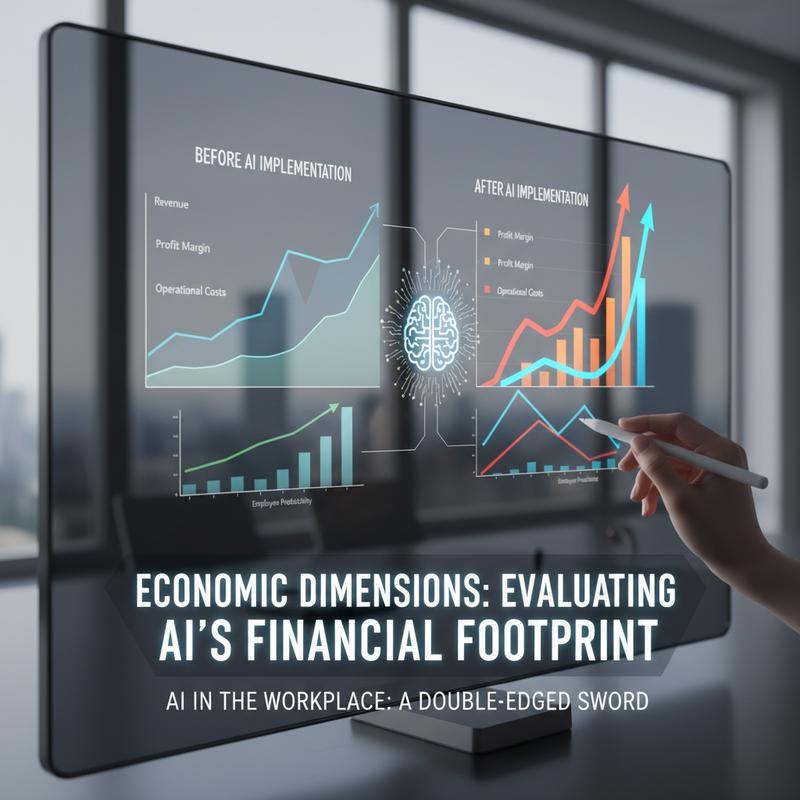
AI investment isn’t a small trend—it’s a massive shift that could reshape economies. By 2025, AI spending is expected to reach $1.5 trillion, and many companies are already expanding how they use AI. This rush of investment is helping drive growth, especially in IT. In the U.S., IT’s share of investment is at its highest level since 2001, which has boosted business activity and even created ripple effects in global tech markets, including Asian tech exports.
A big reason for the excitement is GDP growth. J.P. Morgan expects the boost to U.S. GDP growth to continue into 2026, and the IMF estimates AI-driven productivity could lift global economic activity by up to 0.8%. And these aren’t just theoretical numbers—early 2026 data shows AI investment helping consumer spending and supporting stock market strength, with extra support from fiscal moves like the One Big, Beautiful Bill Act.
But there’s a tradeoff: labor market disruption. AI could affect close to 40% of jobs worldwide, and the impact may be stronger in advanced economies where up to 60% of jobs could change. AI may create new roles early on, but the longer-term risk of job loss is still serious, especially as stable jobs become outdated.
Financial stability is another concern. As AI-related stocks climb fast, a lot of the gains get concentrated in tech, pushing market caps higher and bringing back memories of past bubbles like the dot-com era. If AI valuations drop, global growth could take a 0.4% hit, which would especially hurt tech-heavy regions. Policymakers also have to manage interest rates to reduce boom-and-bust cycles, made harder by the less-visible risks tied to unlisted AI firms.
So yes, AI has huge upside. But it comes with real risk, and it needs smart policy choices. Skills training and job mobility programs will matter a lot if we want the gains to be shared more widely and avoid the worst side effects. The big question isn’t whether AI boosts growth—it’s whether that growth is broad and fair.
AI and People: Keeping Human Values in the Mix
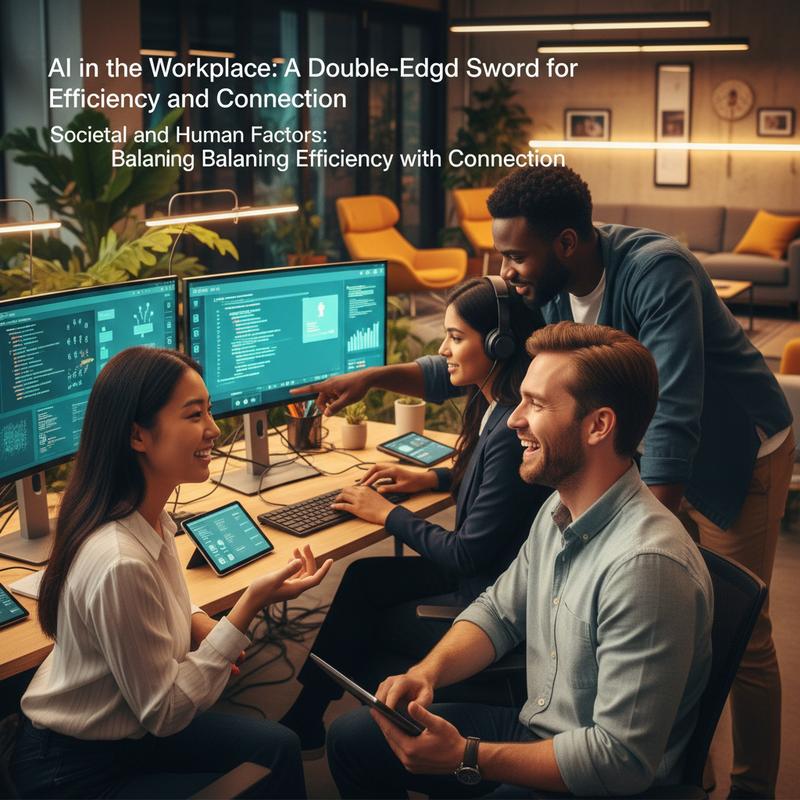
When people talk about AI at work, one theme keeps coming up: how do we keep the human side from getting lost? The goal is to get the benefits of AI without damaging trust, community, and real connection. Ideas like distributed AI setups and frugal AI show how we can aim for efficiency without treating people like an afterthought.
Distributed AI Architectures could move AI away from being dominated by a few big cloud players. By using hyperscale training centers, regional fine-tuning hubs, and edge nodes, you get a hybrid setup that can strengthen digital sovereignty and reduce reliance on cloud giants. It can also improve resilience and cut latency. And regions can tap local advantages—like renewable energy—to meet computing needs in a more sustainable way. That shift can help keep economic gains from clashing with local control. It can also support environmental goals by cutting carbon emissions through local, low-carbon facilities.
At the same time, Frugal AI Practices aim to make AI models more efficient, matching compute use to real needs while staying affordable and environmentally responsible. By scaling resources based on demand and rethinking business models, frugal AI can make AI more accessible—so the benefits don’t only go to organizations with the biggest budgets.
These ideas connect to sustainability through Adaptive Systems. AI-driven lighting that adjusts in real time is a good example. It uses data to manage energy use and reduce pollution, showing how tech can support cleaner, healthier cities without draining resources.
And on the human side, AI-driven efficiency can actually help people connect—if it’s used thoughtfully. Communities like “Slack for Women” create space for support, feedback, networking, and better work-life balance, especially in areas like STEM where gender gaps still exist. So yes, efficiency can support stronger connections when people build the right spaces for it.
Consumers also seem to want tech that feels personal, not cold. That points to a wider shift: people still care about emotional connection, not just convenience. Companies and governments can respond by supporting systems that value local contributions and keep people at the center, instead of relying only on giant, one-size-fits-all platforms.
When AI is built and rolled out with human values in mind, you can end up with systems where efficiency and connection actually support each other. And that’s the more hopeful version of AI—one that strengthens not just the economy, but the social fabric around it, too.
For more discussions on AI and technological developments, you can explore topics at https://itcarolina.com/blog/.
Final thoughts
AI is changing workplaces fast, and understanding the different ways it affects work helps people and business owners make smarter choices. It can improve efficiency and productivity, but it can also bring real downsides, like job disruption and weaker human connection. But if businesses adopt AI with a plan—and invest in skills and training—workers and teams can get the benefits without losing what makes work feel meaningful.
Need help getting your remote setup or small business ready for AI? IT Carolina can help you sort out the tech side.
Learn more: https://itcarolina.com/about/
About us
At IT Carolina, we see firsthand how AI is changing remote work, small business operations, and day-to-day office productivity. We help teams put the right tech in place so AI tools actually work well—without the usual headaches. Whether you’re building out powerful workstations, tuning your network for cloud collaboration, or fixing smart devices that won’t cooperate, our team provides in-person IT support based on what you need. So you can stop wrestling with tech and get back to running the business—efficiently and securely.