A recent revelation has sent shockwaves through the tech community and beyond: hundreds of millions of audio devices are vulnerable to a new form of wireless hacking and tracking, known as WhisperPair. Enabled by flaws in Google’s Fast Pair protocol, hackers can easily take control of Bluetooth-enabled earbuds, headphones, and speakers from major brands. This discovery by KU Leuven researchers presents a significant security risk, allowing unauthorized access to private conversations and tracking of users’ locations. This article explores the nature of these vulnerabilities, the potential impact on users, and the urgent need for manufacturers to provide necessary security patches.
Vulnerability Unveiled: Inside the WhisperPair Threat
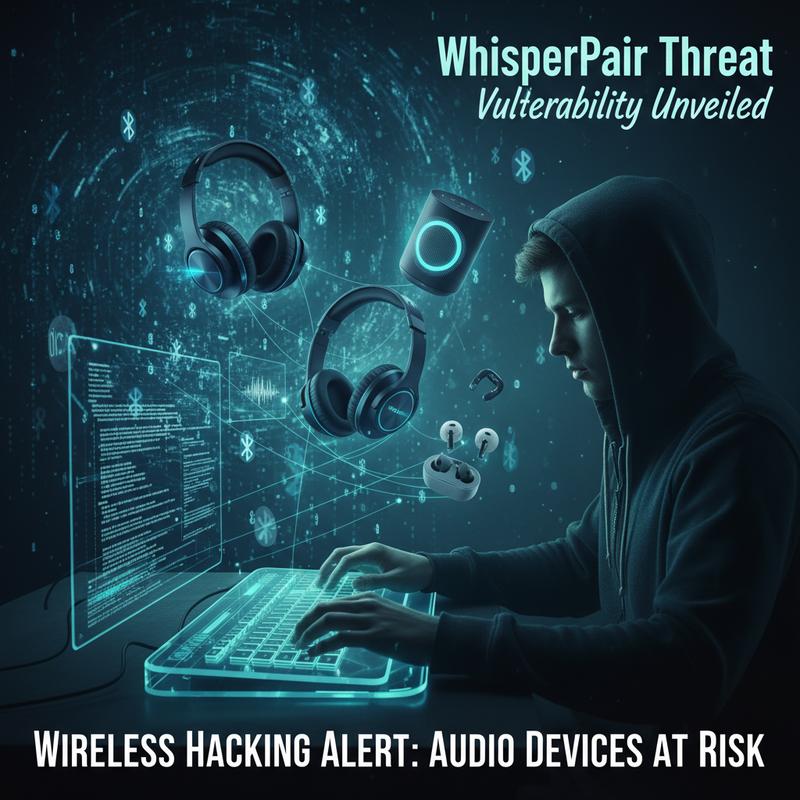
In the ever-evolving landscape of cybersecurity, a new vulnerability, dubbed WhisperPair, has emerged with the potential to affect hundreds of millions of audio devices. Researchers from Belgium’s KU Leuven University have uncovered significant security flaws within Google’s Fast Pair protocol—an innovation originally crafted to streamline Bluetooth connections between audio peripherals and Android or ChromeOS devices. However, the same convenience has now been identified as a gateway for unauthorized access.
Fast Pair was developed for simplicity, allowing users to connect Bluetooth devices with a single tap—ideal for consumers but, as it turns out, equally appealing for hackers. Spyware enthusiasts can exploit these vulnerabilities to hijack audio devices like headphones, earbuds, and speakers. Disturbingly, the risk of attack extends even to iPhone users who possess these Fast Pair-compatible accessories.
The vulnerabilities span over 17 audio devices from major brands, including Google, Sony, Jabra, JBL, and others, affecting products across multiple manufacturers. According to researcher Sayon Duttagupta, an attacker positioned within Bluetooth range (approximately 46 feet based on tests) could pair with these devices in just seconds, potentially opening a host of intrusive possibilities.
Worse still, some devices from Sony and Google that support the Find Hub feature could be exploited for high-resolution tracking. By leveraging the WhisperPair technique, attackers can not only commandeer the device’s audio capabilities but also potentially track the user’s movements through the Find Hub’s geolocation services.
Google, in collaboration with KU Leuven, has acknowledged these vulnerabilities and initiated efforts to patch the affected devices. Despite the rapid release of fixes, the challenge remains in their deployment. Many users are unaware of the necessity to update their devices via manufacturer-specific apps—a gap that might leave numerous devices exposed for an extended period.
Xiaomi, JBL, and Jabra have each issued statements regarding their responses. While Xiaomi is working on over-the-air updates for its Redmi earbuds, JBL is rolling out security patches through its apps. Jabra claims pre-existing patches may cover these new vulnerabilities, though the researchers suspect otherwise given the timeline.
This revelation brings to light underlying issues in the implementation of the Fast Pair standard. The KU Leuven research notes that unauthorized pairing occurs due to failures in preventing secondary pairings, even when a device is already in use. Acquiring the Model ID for a target device enables these attacks, a process simplified by a public Google API that lays bare the Model IDs of all devices.
Despite swift maneuvers from Google and its partners, which include deploying patches and updating the Find Hub security features, further complications have arisen. Researchers quickly discovered ways to circumvent Google’s updates, bypassing security measures and executing the Find Hub tracking technique anew.
This scenario exposes a deeper flaw in how ease-of-use features, like Fast Pair, are conducted. While the Bluetooth protocol itself remains uncompromised, the added layer of convenience has introduced vulnerabilities from a lack of robust authentication mechanisms.
The KU Leuven team has proposed a more secure approach where Fast Pair should ensure the validity of the accessory owner’s intent before allowing a secondary device to pair. Until such improvements are embedded within the Fast Pair protocol, the onus lies heavily on users to update their devices regularly.
The WhisperPair saga underscores an urgent call to both consumers and manufacturers: while striving for technological convenience, security must not be an afterthought. This incident should serve as a clarion call for all users to maintain diligent updates across their IoT devices, ensuring a safer digital environment. To stay informed about how these vulnerabilities might affect your audio devices, check the details provided on this informative blog for further insights and updates.
Final thoughts
The WhisperPair vulnerabilities present a severe challenge for the security of audio devices, highlighting the delicate balance between convenience and security. While solutions are underway, users must take proactive steps to update their gadgets and remain vigilant. This incident serves as a cautionary tale of how technological advancements, without robust security measures, can lead to significant risks. It’s a wake-up call for both manufacturers and consumers to prioritize cybersecurity in the flourishing Internet of Things landscape.
Source: https://www.wired.com/story/google-fast-pair-bluetooth-audio-accessories-vulnerability-patches/