As the tech world embraces DDR5, many users find DDR4, pre-built PCs, and gaming consoles compelling alternatives. With similar latency and lower costs, DDR4 offers great value, while pre-built PCs provide a no-hassle option to bypass expensive DDR5 upgrades. Meanwhile, modern consoles pack GDDR6 memory, delivering exceptional gaming experiences without compatibility woes. This article delves into these alternatives to help you make informed decisions. You’ll understand DDR4’s technical merits, the economic reasons for considering pre-built setups, the gaming prowess of consoles, and strategic considerations for future-proofing your upgrades past 2025.
DDR4 vs DDR5: Unpacking the Latency and Performance Dynamics
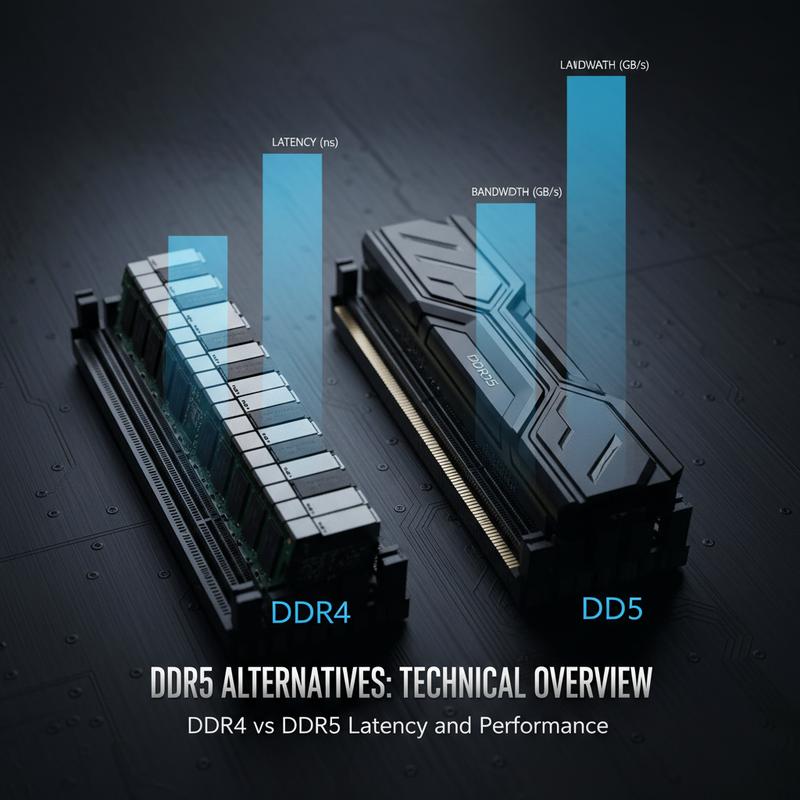
The evolution from DDR4 to DDR5 marks a significant leap in technological advancement, although it comes with nuanced considerations. While DDR5 serves as the successor offering increased bandwidth and capacity, DDR4 persists as a robust alternative due to its lower CAS latency and cost-effectiveness. This chapter explores the intricate balance between latency and performance that defines the choice between these two generations of memory technology.
Latency Comparisons: The Technical Essentials
Latency, a critical performance metric, reflects the time it takes for memory to respond to a CPU request. The CAS latency, or Column Access Strobe latency, is particularly noteworthy when comparing DDR4 and DDR5. Despite DDR5’s higher CAS latency, its doubled clock rate compensates, often yielding comparable absolute latency to DDR4.
For instance, DDR4 at 3200 MT/s with CL16 achieves an absolute latency of 10 ns. In comparison, DDR5 at 5200 MT/s with CL38 results in a latency of 14.6 ns, but when DDR5 reaches 6400 MT/s with CL32, the latency aligns back to 10 ns. This demonstrates DDR5’s ability to maintain competitive latency through increased frequency.
Performance Dynamics: When Bandwidth Meets Latency
DDR5 indeed excels in bandwidth, beginning at 4800 MT/s compared to DDR4’s upper range of 3600 MT/s. This increased bandwidth makes DDR5 favorable for bandwidth-heavy tasks, such as video editing and 3D modeling, where tasks benefit significantly from this aspect. Gaming performance showcases modest improvements; for example, DDR5 can offer a 5-10% FPS boost in graphics-intensive titles and up to 24% in scenarios where memory bandwidth is the limiting factor, as observed in games like Microsoft Flight Simulator.
Moreover, for CPU-intensive workloads that rely on rapid random access, higher bandwidth combined with improved latency positions DDR5 as a compelling choice. Despite these advantages, DDR4 systems remain competitive for most CPU-bound workloads, offering excellent value in terms of performance per dollar, especially during this transitional phase. For gamers and general users, DDR4 continues to provide adequate performance, effectively supporting smooth gameplay and multitasking without necessitating substantial financial outlay.
Choosing Wisely: DDR4’s Cost and Compatibility Edge
While DDR5 adoption soars towards the late 2020s, DDR4 retains its foothold as a cost-efficient and compatible option. It stands out for users seeking to upgrade existing platforms without a complete system overhaul. This is crucial as DDR4 motherboards become rarer, but their compatibility with a wide range of CPUs makes them attractive for incremental upgrades. In contrast, those building new systems with future-proofing in mind might lean towards DDR5-ready configurations.
For practical advice tailored to your unique technology needs, further insights can be found on the IT Carolina blog, where expert discussions on hardware trends and transitions are regularly featured.
Ultimately, whether you lean towards the cost-efficiency and established reliability of DDR4 or the cutting-edge potential of DDR5, understanding their differences in latency and performance offers a clearer path to a decision that best meets your computing goals.
DDR5 Alternatives: Economic Advantages of Choosing Pre-Built PCs with DDR4

Navigating the Cost Spectrum: The Economic Case for DDR4 in Pre-Built PCs
In the ongoing transition to DDR5, the affordability and practicality of DDR4 within pre-built PCs present a compelling alternative. DDR5, while offering cutting-edge speeds and capabilities, comes with a hefty price tag exacerbated by supply constraints. In contrast, DDR4 remains a more budget-friendly option even amidst its own price hikes, thanks to relatively larger stock and existing infrastructures. This economic disparity is pivotal for consumers seeking value without sacrificing performance.
The recent spikes in DDR5 pricing are striking, with an increase of about 307% for 2Gx8 configurations since September 2025. This surge is driven by limited supply and high demand from sectors like AI and data centers, leaving consumer markets scrambling. DDR4 prices have also risen, though less sharply at approximately 158%, making it a less volatile choice and thereby appealing to budget-conscious consumers.
Pre-built PCs utilizing DDR4 offer several advantages in this economic landscape. First and foremost, the cost savings on memory alone are significant. By opting for a DDR4-based system, consumers bypass the premium on DDR5, particularly given the inflated costs involved in acquiring compatible motherboards and CPUs designed for DDR5. This allows for more affordable configurations even at higher capacities. More importantly, these systems ensure the user doesn’t overpay for memory capabilities they might not fully utilize, especially in non-intensive applications.
Moreover, the stability of DDR4 pre-built options in the marketplace is a crucial benefit. These systems often leverage bulk procurement channels, which shield them somewhat from the price volatility seen in the custom build market. This means that while DDR5 shortages could lead to spec downgrades in some pre-builts, DDR4 systems tend to maintain their advertised configurations, ensuring customers receive full value for their investment.
An additional perk of choosing DDR4 derives from effective budget reallocation. The savings realized from selecting DDR4 can be redirected to other components, such as graphics cards or storage solutions. This flexibility is essential, especially as SSD prices have been on the rise by as much as 40%. By investing intelligently in these areas, users can enhance the overall performance of their systems without overspending on memory that offers marginal benefits over DDR4 for typical user scenarios.
From an economic standpoint, DDR4 pre-built PCs stand out. Whether for general computing, productivity tasks, or casual gaming, they provide robust performance profiles at a fraction of the price point of their DDR5 counterparts. The emphasis on practicality in these pre-built systems underlines a strategic approach in embracing current technology without being hassled by the premium of DDR5. As supply shortage projections extend through 2028, DDR4’s affordability and availability render it a practical choice amidst economic uncertainties affecting the DRAM market.
While DDR5 is undeniably appealing for high-performance contexts like AI and computing paradigms demanding extensive bandwidth, its cost remains prohibitive for many consumers. Until DDR5’s pricing stabilizes and its adoption becomes ubiquitous, the comparative economic advantages of DDR4-laden pre-built PCs provide a solid foundation for those prioritizing financial prudence over cutting-edge specs. For further insights into the nuances of computing tech and other related trends, explore our blog.
Harnessing Raw Gaming Power: Exploring GDDR6 in Modern Consoles
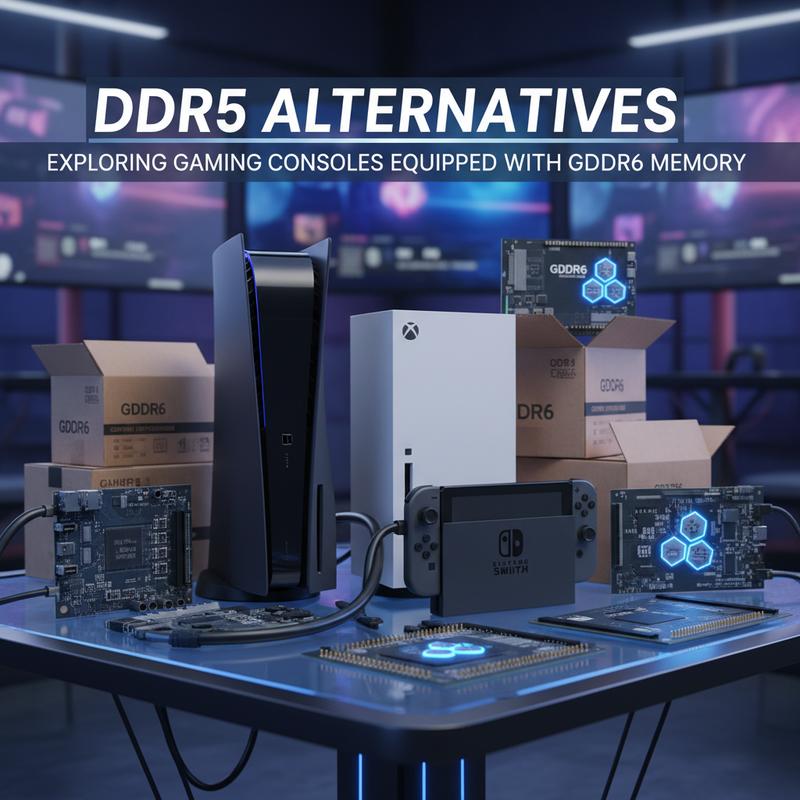
In the evolving landscape of digital entertainment, gaming consoles present a formidable challenge to the traditional PC setup, especially for gamers seeking alternatives to DDR5 memory systems without compromising performance. Central to the prowess of these consoles is GDDR6 memory, a technology that significantly differs from DDR5 but stands as a key enabler of high-performance gaming experiences in consoles like the PlayStation 5, Xbox Series X, and Nintendo Switch.
GDDR6 is designed expressly for use in GPUs, offering advantages in specific areas that are paramount for gaming. Unlike DDR5, which aims at optimizing low latency in CPU tasks with frequencies ranging from 4800 to 8400 MT/s and focusing on varied computation needs, GDDR6 dedicates its architecture to high bandwidth. This is crucial for the rapid processing of large textures and frames common in modern games, managed through impressive data transfer rates—doubling what DDR5 can offer. Achieving transfer speeds around 16 GT/s, GDDR6 can handle several hundred GB/s, making it ideal for demanding graphic computations.
In practical terms, consoles wield GDDR6’s capabilities to deliver gaming experiences that are smoothly synchronized with high resolution and frame rates. The PlayStation 5, equipped with 16 GB of GDDR6, showcases these strengths with 448 GB/s bandwidth, allowing not just standard 4K gaming but also enhanced renditions involving ray tracing. Similarly, the Xbox Series X exceeds even these capabilities, with up to 560 GB/s that support high-frame-rate games, offering consumers an experience rivaling that of high-end PCs but at a fraction of DDR5’s potential cost.
The architecture’s effectiveness in gaming consoles boils down to GDDR6’s high throughput due to its broader data buses, allowing it to excel in scenarios demanding sequential data access. This attribute directly impacts gaming performance, where quick rendering of detailed scenes and smooth frame transitions are critical, thus making it the preferred choice over DDR5, which is entrenched in CPU-centric applications without an emphasis on graphics speed.
Moreover, consoles sidestep the complications and expenses associated with DDR5 adoption that PC builders face. The ongoing transition towards DDR5, which promises widespread acceptance by late 2025, will likely raise costs due to its novelty and incompatibility with existing systems. Conversely, the use of GDDR6 in consoles offers a stable platform that doesn’t succumb to these market dynamics, ensuring gamers enjoy high-quality performance without the burden of constant upgrades.
While the Nintendo Switch stands as an outlier by utilizing a variant of LPDDR, its focus on portability rather than raw power slightly deviates from this analysis, yet it still benefits from optimized design suited to its hybrid nature. Despite this, what’s clear is that the current generation of consoles doesn’t involve DDR5, underlining a decisive move towards embracing specialized memory technology like GDDR6, which promises sustained performance enhancement.
For those contemplating the most viable platform for their gaming pursuits, modern consoles equipped with GDDR6 provide an enticing proposition. By leveraging cutting-edge memory technology, consoles circumvent the complexities of DDR5 upgrades—offering gamers a seamless, high-performance experience that remains both powerful and cost-effective. In the broader context of DDR5 alternatives, the strategic choice of embracing console gaming illustrates a clear path forward for those whose priorities align more with unrivaled graphic performance free from the financial burdens of next-generation PC memory.
Navigating DDR5 Shortages: Cost-Effective DDR4 Solutions and Strategic Alternatives

In the complex landscape of 2025, DDR5 is struggling against a backdrop of skyrocketing demand and limited supply. As manufacturers pivot towards high-margin memory like HBM and LPDDR5X for AI-driven data centers, DDR5 availability for consumer-grade PCs plummets. This shift has resulted in a staggering tripling of prices over the past year, with 32GB kits now surpassing $390. Amidst this turmoil, finding a cost-effective and strategic upgrade path becomes essential for consumers seeking to enhance their computing power without breaking the bank.
DDR4: A Time-Tested Alternative
Despite being eclipsed by its successor’s speed and bandwidth capabilities, DDR4 remains a resilient option for many users. Its benefits are particularly evident given the current market scenario. DDR4 not only fits a variety of existing platforms, such as Intel’s older generations and AMD AM4 sockets, but it also represents a cost-saving measure during this intense period of DDR5 shortages. While DDR4 isn’t immune to price increases, as manufacturers like Samsung continue to adjust costs, it still offers a viable path for upgrading, especially for setups already designed around DDR4 technology.
Hybrid Solutions: Motherboards of the Future
Enter hybrid motherboards, a pragmatic solution that provides the best of both worlds. Products like the ASRock H610M Combo allow users the flexibility to operate with DDR4 now and transition to DDR5 when prices stabilize, offering a form of future-proofing without the immediate high cost. Although primarily available in entry-level options, such motherboards bridge the gap, enabling consumers to circumvent the DDR5 scarcity without committing to a full system overhaul.
Prebuilt Systems: Bundled Value
Another strategic route involves prebuilt systems, which often bundle RAM at prices that dodge the inflated rates faced by individual buyers. These systems are particularly appealing to those who favor an all-in-one solution over the customization of home-built PCs, offering competitive performance packages tailored for gaming or productivity at more attractive price points.
Delaying Upgrades: A Waiting Game
For those not in dire need of an immediate upgrade, waiting might be the most strategic choice. By delaying purchases, consumers avoid peak prices in hopes of future supply stabilization. As supply chains adjust and manufacturers potentially rebalance production between AI and consumer needs, DDR5 availability could improve. However, this strategy does come with the inherent risk of increased obsolescence and prolonged shortages due to the ongoing AI boom.
Leveraging the Second-Hand Market
Finally, the second-hand market offers a detour for procuring both DDR4 and DDR5 kits. Although not without compatibility risks and the potential for reduced lifespan, refurbished RAM presents an immediate and economical option for those willing to navigate its nuances. Additionally, exploring emerging technologies like MRAM and RRAM offers an intriguing avenue for use-case specific upgrades outside the traditional DRAM path.
Looking Forward in the Memory Market
While shortages and price surges shape the current DDR5 landscape, alternatives like DDR4, hybrid motherboards, and prebuilt systems provide strategic avenues for savvy buyers. As the industry continues to evolve, attentiveness to market trends and a willingness to adapt remain critical. For more insights into navigating the tech landscape, check resources like https://itcarolina.com/refurbished-vs-new-2026/ for additional guidance on making informed hardware decisions.
Final thoughts
In the current transition phase, selecting DDR4, pre-built PCs, or consoles offers varied benefits depending on your needs. DDR4 provides comparable performance to DDR5 at a lower cost, making it a worthwhile consideration. Pre-built PCs simplify the upgrade process and save money, whereas consoles deliver seamless gaming performance with no memory worries. As you look beyond 2025, make strategic decisions that align with your budget, existing hardware, and performance demands, ensuring your system stays relevant without breaking the bank.
Not sure if you need DDR5, or if DDR4 or a console is the better choice? Let IT Carolina help you make the right call for your performance and budget.
Learn more: https://itcarolina.com/about/
About us
At IT Carolina, we guide gamers, professionals, and everyday users through the ever-changing world of tech upgrades. Whether you’re evaluating the benefits of DDR5 over DDR4, considering a pre-built gaming PC, or thinking of switching to a next-gen console, our team delivers personalized advice and hands-on setup support. We break down complex specs into simple, practical solutions—ensuring you get the best performance for your needs without the guesswork. From optimizing existing systems to helping you choose the right tech path, IT Carolina ensures your upgrade is smart, seamless, and stress-free.