The world of computer memory is seeing DDR5 taking center stage with its next-gen performance leaps. Yet, with ballooning costs and a foreseeable price plateau extending to 2027, many are left pondering: When will DDR5 RAM become affordable? This analysis not only forecasts future pricing trends but also delves into the semiconductor supply shortages driving these prices up. It provides insight into why DDR5 may remain expensive through the lens of server and AI demand, and explores viable DDR4 alternatives for those looking to upgrade their systems. Read on to understand the complexities of the DDR5 market and how it affects PC users, gamers, and tech professionals alike.
The Upsurge of DDR5 RAM Prices: A Glimpse into the Future
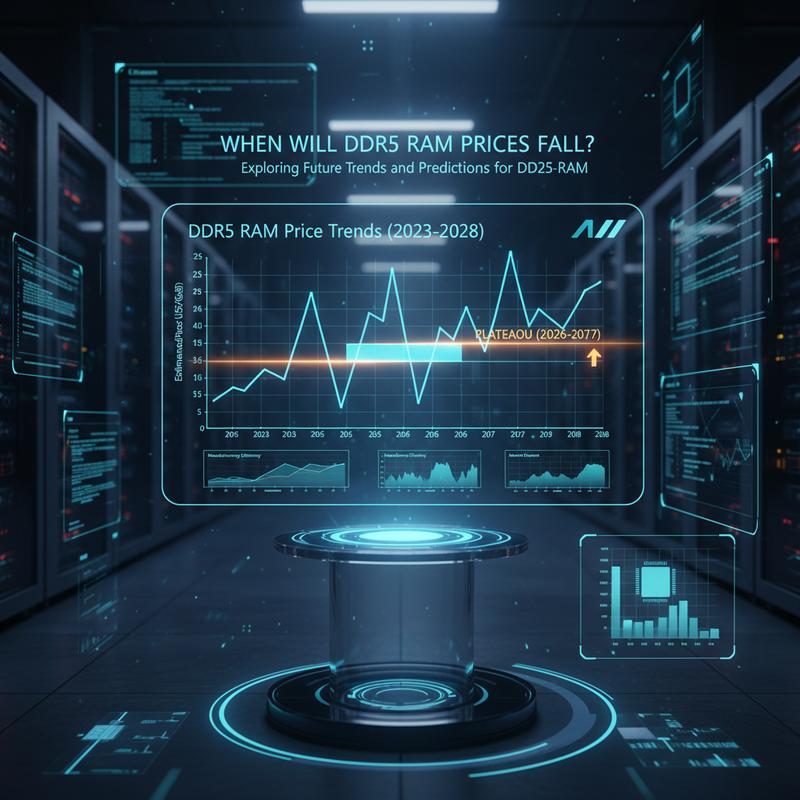
The trajectory of DDR5 RAM pricing is a fascinating case of market dynamics driven by an unprecedented convergence of demands and constraints. As of early 2026, DDR5 prices are climbing steadily, propelled by a global shortage exacerbated by the booming AI and server markets. This demand surge has shifted the focus of manufacturers away from consumer-grade products, creating a scenario where buyers face consistently exorbitant costs.
The spike in prices, observed from mid-2025, has been staggering. As noted, popular DDR5 kits more than doubled, with astounding increases seen across all brands by late 2025. For instance, DDR5-6000 CL30 32GB kits rocketed from approximately €140 to over €265, showcasing the acute intensity of the market demand. Such price surges are not isolated to DDR5 alone; they have instigated ripple effects across the market, affecting older RAM types and even related hardware components like SSDs and GPUs, each experiencing significant hikes.
Forecasters remain cautious and somewhat pessimistic about a quick resolution. Estimates suggest these inflated prices will persist well into the latter half of 2026. The semiconductor industry faces limitations due to lengthy production lead times and a lack of immediate expansion capacity. Key players like Micron and SK Hynix are unable to ramp up production swiftly enough to mitigate the shortages. As a result, buyers can expect DDR5 contracts to rise another 50% or more before any semblance of stabilization might occur later in the year.
The shortage also parallels past market behaviors, particularly reminiscent of the post-COVID-19 technology crunch. Some buyers hope for relief from typical shopping events, such as Black Friday, yet reports indicate that significant promotions on high-demand DDR5 modules are improbable. Instead, projections lean towards either a future plateau at these high levels or, in less favorable scenarios, continued escalation long after AI and next-gen GPU demands ease.
These trends underscore a critical juncture for consumers and businesses relying on high-performance computing. As prices gallop upwards, strategic thinking about alternatives and cost-effective solutions becomes paramount. In particular, revisiting older technologies or exploring avenues like DDR4 could provide temporary relief from this intense economic pressure.
Navigating the DDR5 Pricing Surge: Supply Chain Obstacles and Market Dynamics
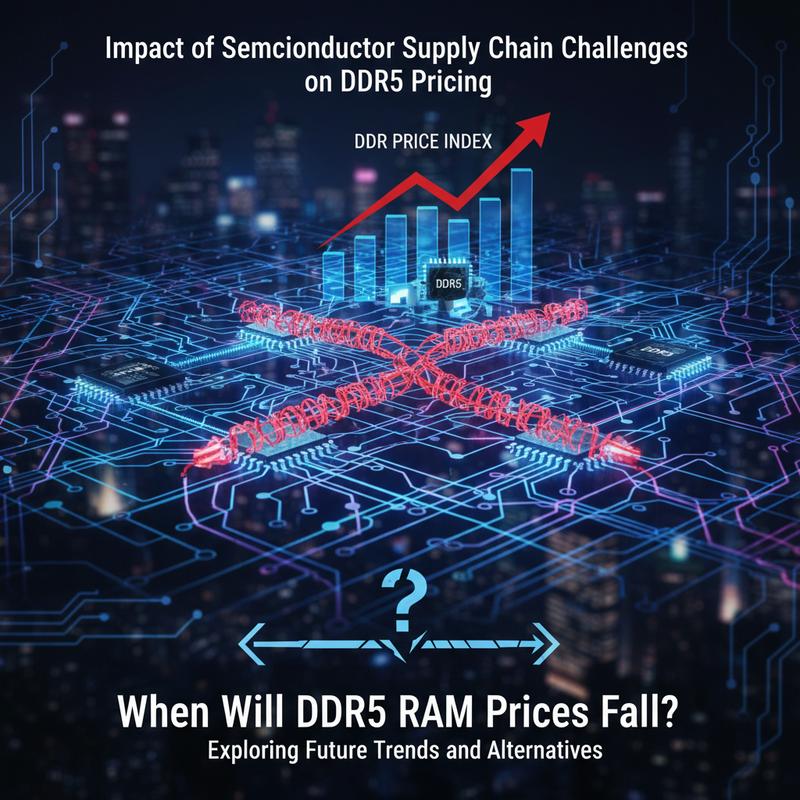
The explosive rise in DDR5 memory prices has puzzled many consumers, especially given its prominence in both personal computing and enterprise applications. The core of this issue lies in the intricate dynamics of the semiconductor supply chain, which has been significantly disrupted and exploited by manufacturers to manipulate market conditions. Unlike typical supply shortages caused by unforeseen disruptions, the current predicament reflects a deliberate strategy by DRAM vendors to reduce output, which in turn has created an artificial scarcity.
Market Manipulation and Production Cuts
Manufacturers substantially decreased DRAM production to overhaul a previously over-saturated market, aiming to restore profitability. This deliberate restriction has caused prices to soar, with DDR5 memory experiencing a 4.4-fold increase from mid-2025 to early 2026. Amidst an undeniably rising demand, these production limitations provide manufacturers with economic leverage, thus stabilizing high prices, irrespective of an actual demand decline.
Severe Pricing Escalations and Sectoral Demand
The impact of these production cuts has been profound, with DDR5 prices jumping by 70% over the previous year, and some specific parts increasing up to 170%. Contract DRAM prices, for instance, climbed from $6.84 to $27.20 by the end of 2025. Compounding this issue, data centers’ demand for memory chips continues to rise. With these centers expected to absorb 70% of the produced memory, consumer access to DDR5 has been severely restricted, further inflating prices in consumer markets.
False Stability and Long-term Prospects
Recent signs of price stabilization should not be misconstrued as an easing of supply constraints. Instead, this apparent calm reflects a significant demand decrease, with consumers opting for cheaper alternatives like DDR4. This shifting demand underscores the need for diversified strategies among consumers and producers alike. High prices are likely to persist until substantial shifts occur within the semiconductor industry or unless there is a significant downturn in demand from sectors like AI. Without intervention, the price landscape for DDR5 will remain precarious, demanding strategic planning by both consumers and manufacturers. For those interested in the cutting-edge developments in AI that influence these market dynamics, this article provides insightful context.
Navigating the DDR5 vs DDR4 Decision Amidst Price Surges
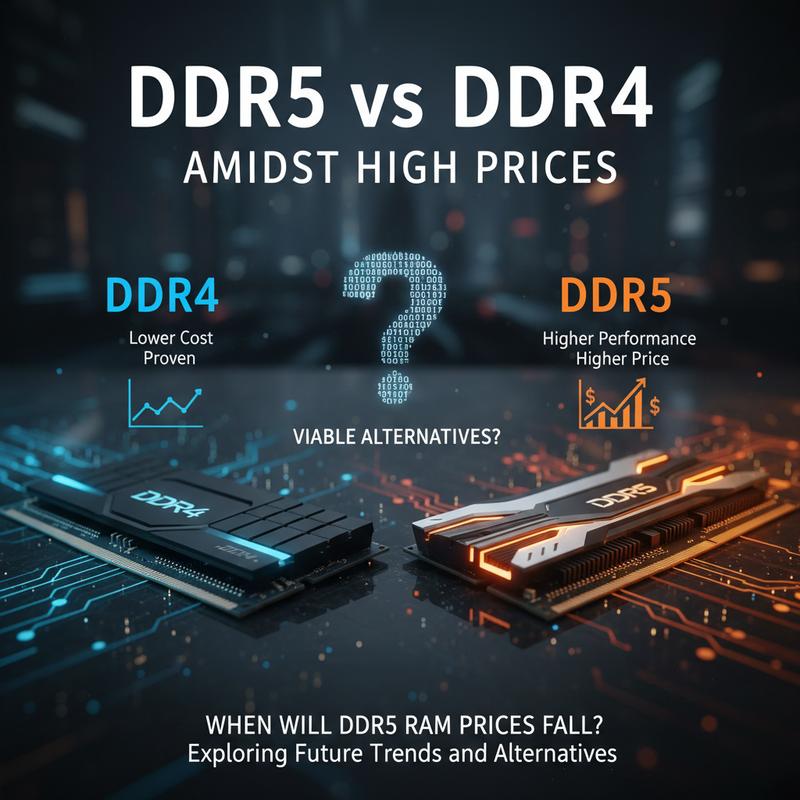
In the landscape of 2026, faced with the unprecedented cost fluctuations of DDR5, consumers and businesses are compelled to reevaluate their memory choices. While DDR5 offers superior technological advancements through its dual sub-channel architecture, rising prices render it a less accessible option for many. Priced at $90-110 for 32GB and soaring to $700-800 for 64GB, DDR5 becomes a significant investment. Yet, the choice between DDR5 and DDR4 isn’t solely about cost; performance and use case deeply influence the decision.
Performance Advantages of DDR5
DDR5’s dual sub-channel design brings noteworthy benefits, significantly boosting performance in specific applications. For gamers, this translates to a 20-26% increase in average FPS at 1080p and 1440p resolutions compared to DDR4, with improvements in frame time consistency by up to 35% for asset-heavy titles. Advanced productivity tasks like file compression and photo processing can see performance jumps of 25-45% when leveraging DDR5’s capabilities. Additionally, DDR5 addresses latency concerns effectively, with DDR5-6000 CL30 achieving latency on par with DDR4-3200 CL16, debunking the myth of inferior performance in this area.
When DDR4 is a Sensible Choice
Despite DDR5’s performance perks, DDR4 remains a preferred choice in various scenarios. For ultra-budget builds, DDR4 offers savings of at least $200 compared to DDR5 systems. Existing systems with DDR4 RAM can continue to function efficiently without the cost and hassle of upgrades. Moreover, DDR4 supports shared hosting and entry-level VPS efficiently, ensuring compatibility and cost-effectiveness. Systems built on Intel’s 12th-14th gen processors, which support both memory types, often experience only around a 5% performance dip with DDR4.
DDR5: The Optimal Upgrade
For new builds, however, the case for DDR5 strengthens, as its pricing aligns with premium DDR4 options, making it viable for future-proof systems. New platforms, particularly AMD’s AM5, exclusively support DDR5, further justifying the transition for new architectures. With DDR5’s broad bandwidth capabilities, reduced power consumption, and on-die ECC for enhanced reliability, it stands out particularly in high-performance computing scenarios.
Ultimately, the DDR5 versus DDR4 debate in 2026 is a balance of priorities—a choice influenced by financial flexibility, platform requirements, and future needs. For those crafting new systems or delving into demanding computing environments, DDR5 remains the recommended path, while DDR4 ensures a financially and structurally sound decision for existing and resource-conscious setups.
How Server and AI Demand Drive the DDR5 Price Surge
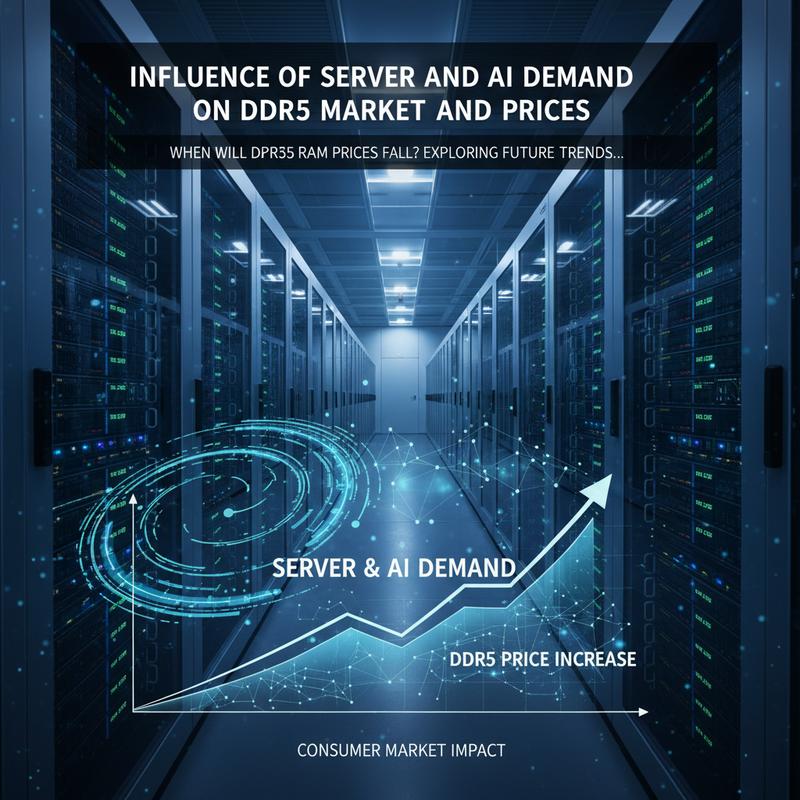
Amid the rapidly advancing technological landscape, the demand for DDR5 memory is being profoundly shaped by server expansion and AI development. This trend is pivotal in explaining the lingering high prices of DDR5 memory—a phenomenon projected to persist well into the latter half of the decade.
The Insatiable Thirst for Memory by AI and Servers
Memory producers such as Samsung, SK Hynix, and Micron have increasingly restructured their production lines to cater to the voracious needs of AI infrastructure. These are not mere business decisions; they reflect paradigm shifts towards what is now termed the “permanent reallocation” of resources. A striking example of this can be seen in Samsung’s expansion of its DRAM capacity to produce 60,000 wafers per month dedicated solely to HBM (high-bandwidth memory) by late 2025. This capacity reallocation targets AI datacenters, which are expected to consume an astounding 70% of all memory chips produced in 2026.
While this focus on AI and server markets is economically lucrative for memory manufacturers—yielding higher margins with substantial demand from AI servers for memory—it inadvertently engenders a significant impact on consumer markets. Each wafer deployed towards HBM reduces the pool available for standard DDR5 consumers, creating a chain reaction of shortages.
Rising Prices and the Consumer Struggle
The impact on consumer hardware has been glaringly evident. In Germany, DDR5 prices skyrocketed 4.4 times between July 2025 and January 2026. In the UK, a 32GB DDR5 kit saw its price soar from £79 in September 2025 to £351 by January 2026. These escalating costs reflect how indirectly connected the consumer sector is to broader industrial trends.
Additionally, this reshuffling of priorities has resulted in inflated prices not just for DDR5 but also for older DDR4 variants, as buyers flock to more affordable alternatives. For system builders seeking cost-effective solutions, this scenario demands reconsideration of build strategies and an acceptance of inflated costs unless another significant market shift occurs.
As the industry grapples with these challenges, it’s imperative to stay informed about developments in memory technology and the intricacies of the global semiconductor supply chain.
Final thoughts
The anticipated stabilization of DDR5 RAM prices hinges heavily on the interplay between burgeoning demand and supply chain constraints. As producers continue prioritizing server and AI applications, cost-conscious consumers may find DDR4 to be a more immediate and affordable solution. Understanding these dynamics prepares users not only to anticipate market shifts but also to make informed purchasing decisions in a tech landscape marked by rapid evolution and innovation. Embrace alternative options and stay ahead by strategically navigating the DDR5 market maze.
Tired of waiting for DDR5 prices to drop? Let us help you find the best performance options for your budget today.
Learn more: https://itcarolina.com/about/
About us
At IT Carolina, we understand the rapidly changing landscape of PC hardware. While DDR5 memory prices fluctuate, our expert team is here to help you make the smartest upgrade decisions with cost-effective alternatives like optimized DDR4 configurations or refurbished high-performance setups. Whether you’re a gamer chasing ultra settings, a professional needing maximum reliability, or a casual user seeking smooth performance, we provide personalized hardware consultations, installations, and tunings. Stay ahead of the curve without breaking the bank—trust IT Carolina to get your system running at peak performance now, not later.