When tech enthusiast Sammy Azdoufal attempted to turn his DJI Romo vacuum into a gamepad-controlled gadget, he inadvertently uncovered a massive security flaw. His personal experiment spiraled into a revelation that approximately 7,000 smart vacuums were accessible to him from across the globe. Despite DJI’s rapid response to this breach, it underscores a critical issue in the world of IoT devices: robust security is often overlooked. This article explores the breach’s implications, examining how such vulnerabilities can pose broader risks to personal privacy and security. We delve into the technical loopholes that made this possible and highlight the urgent need for manufacturers to prioritize device safety.
DJI Romo’s Security Breach: An Unexpected Discovery
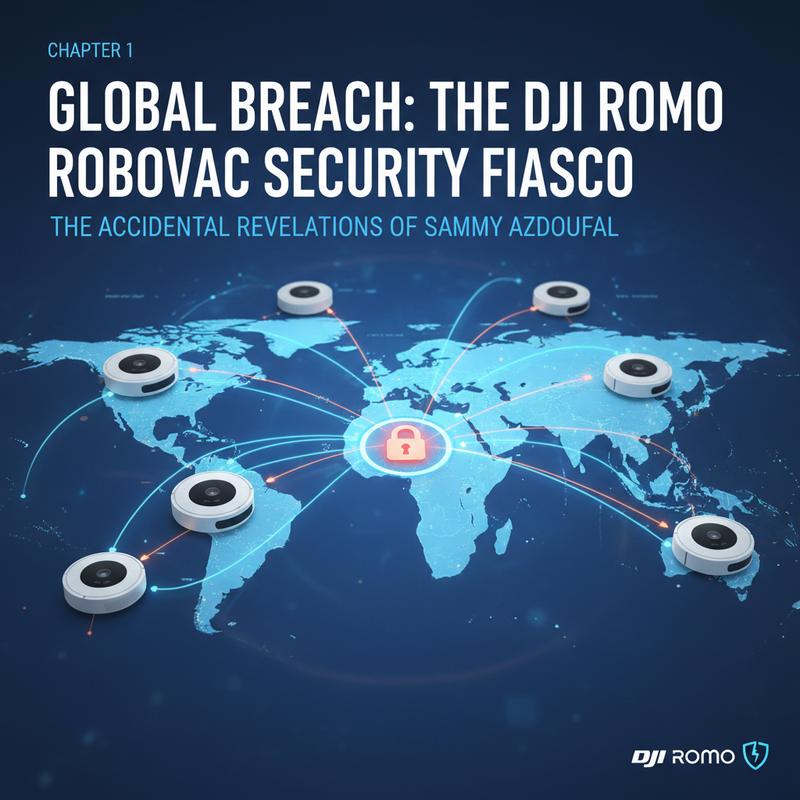
In an era where smart devices are omnipresent, the story of Sammy Azdoufal’s unintentional hack of thousands of DJI Romo robovacs is a cautionary tale about the vulnerabilities in our interconnected world. What started as a personal project to control his vacuum cleaner with a PlayStation 5 controller spiraled into a revelation about the security lapses in a major tech product.
Azdoufal, a tech enthusiast, stumbled upon this flaw when he was experimenting with his brand-new DJI Romo’s capabilities. He initially aimed to make his cleaning sessions a bit more entertaining by using the controller. However, his ambitions took an unexpected turn when his makeshift app began communicating with DJI’s servers. Instead of a solitary connection, he was greeted by roughly 7,000 vacuum robots responding to his commands.
What makes this incident alarming is not just the scale of the breach but the depth of access it granted. Azdoufal found himself with the ability to remotely view and control these devices globally. From monitoring rooms through live camera feeds to accessing real-time data about the units’ movements and surroundings, the breach was comprehensive. Each device sent regular updates packed with information such as cleaning schedules, device serial numbers, and even detailed floor maps of the users’ homes.
A live demonstration of Azdoufal’s discovery painted a vivid picture of the flaw. As he demonstrated, the robovacs, spread across continents, popped into existence on a user interface one after another, each robustly reporting data every few seconds. This unexpected map of global household interiors emphasizes the risks that come with entrusting smart technology with not just our chores, but potentially our privacy.
While DJI has reportedly addressed the exposed vulnerability to mitigate the immediate risk, the episode raises pressing questions about the robustness of IoT security as a whole. With more and more devices, from simple household tools to complex industrial machinery, getting networked, the implications of similar security oversights can be vast.
The incident underscores a broader need for heightened vigilance and security measures. For consumers, adopting practices like frequent firmware updates and understanding router security risk signs can act as an additional layer of protection. Meanwhile, for manufacturers, it reiterates the essential role of stringent security protocols and proactive vulnerability assessments in their design processes.
As the dust settles on this particular breach, the industry must grapple with the lessons learned. The DJI Romo robovac scare is a stark reminder of the proactive steps needed to safeguard against the unintended breaches that innovation can sometimes unleash.
Final thoughts
The DJI Romo robovac incident serves as a stark reminder of the vulnerabilities present within IoT devices. As seamless connectivity becomes a norm, security must not be an afterthought. If not addressed, such flaws could lead to privacy invasions and potential misuse of personal data. For consumers, it’s crucial to stay informed about the security features of their smart devices. Meanwhile, manufacturers like DJI must ensure rigorous checks and continuous updates to safeguard user data. Only then can the convenience of connected devices be fully embraced without compromising user safety and privacy.
Source: https://www.theverge.com/tech/879088/dji-romo-hack-vulnerability-remote-control-camera-access-mqtt