LED lights have revolutionized the way we illuminate our homes, promising extended lifespans and efficiency that put traditional bulbs to shame. But many find these claims fall short when expensive LED bulbs die unexpectedly soon after installation. Through expert consultation and in-depth research, we’ve uncovered the environmental and technical reasons behind this issue. From overheating components to inconsistent power supplies, multiple hidden factors can impact the longevity of your LED lights. This comprehensive guide sheds light on these influences and offers actionable strategies to ensure your investment in LEDs pays off over time.
Unmasking the LED Lifespan Myth
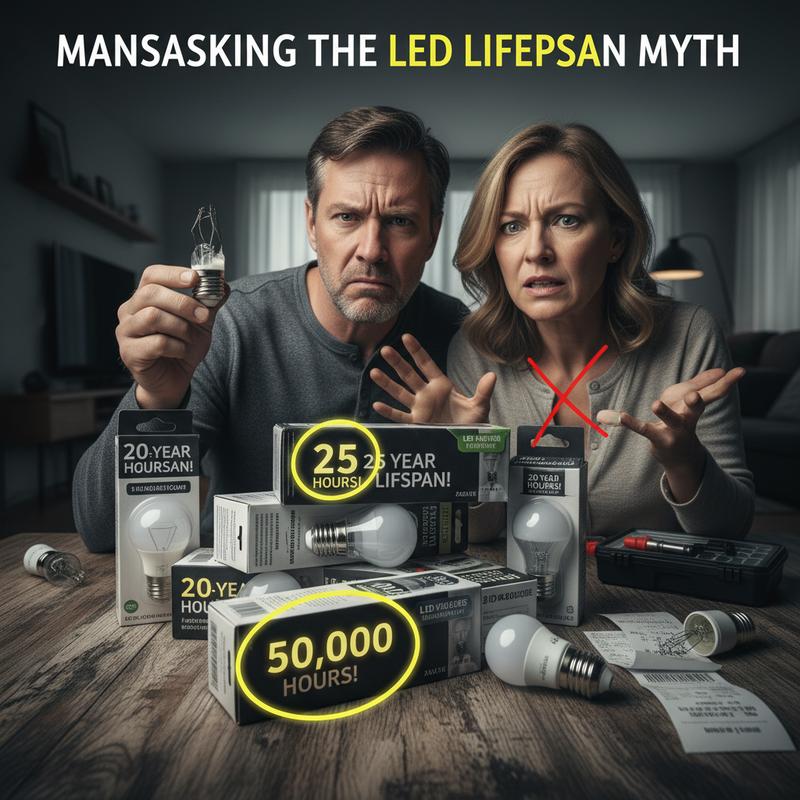
LEDs have illuminated our homes with promises of longevity and energy efficiency, but the reality often flickers out prematurely. Surprisingly, those bold claims on packaging—that promise a lifespan as long as a decade—don’t always hold up under real-world conditions.
The lifespan estimates printed on LED bulb boxes aren’t guarantees. Thomas Grable from LEDvance explains that manufacturers typically use a broad average where about 95% of the bulbs fit within a typical lifespan. This means the extravagant claims often represent optimal scenarios, weighted heavily by the best-performing bulbs.
Customers often overlook that the testing measures are based on varying assumptions of usage. Some brands calculate longevity based on just two to three hours of daily use, inflating their products’ lifespan. It’s essential, therefore, to scrutinize these metrics and understand their implications for your actual usage patterns.
Deconstructing LED Failures
What often fails in these modern bulbs isn’t the light-emitting diode itself—it’s the supporting components like drivers and soldered points, which are crucial for electricity conversion. LEDs require direct current (DC) power, necessitating a conversion from standard alternating current (AC) found in homes, which puts stress on these electrical parts.
Moreover, heat is a significant adversary. Placing an LED bulb in a poorly ventilated or hot environment can expedite failure significantly faster than anticipated. Seeking bulbs with robust aluminum heat sinks can mitigate this risk but won’t completely alleviate performance deficits in extreme conditions.
The Influence of Power Supply and Environment
The quality of your home’s electrical supply can subtly undermine LED lifespan. A ‘dirty’ power supply, with frequent spikes in voltage, demands more from LED converters which can lead to premature burnout. For those consistently facing such dilemmas, assessing your home’s electrical infrastructure with professional insights might be beneficial.
Environmental factors like humidity shouldn’t be underestimated either. High humidity accelerates corrosion in electrical connections, disproportionately affecting LEDs’ longevity. Installing a dehumidifier or similar devices can provide some relief.
Compatibility Counts
Older dimmer switches often clash with LED technology. Traditional dimmers, designed for incandescent bulbs, may not regulate low-wattage LEDs efficiently, leading to flickering or complete failure. Rather than risk incompatibility, consider installing LED-specific dimmers or using smart bulbs with built-in dimming features.
Quality Control: A Critical Factor
Not all LEDs are created equal. Manufacturing standards can greatly influence a bulb’s durability and performance. Opting for renowned brands—even at a premium price—can offer more reliable longevity than budget alternatives with inferior components. Brands like Philips, Wiz, Govee, and Nanoleaf have consistently delivered solid results.
Before investing, consider browsing through our blog for comprehensive reviews on the best-performing LED products for your specific needs.
In a landscape filled with scattered brightness and shadowed promises, making informed decisions about LEDs can illuminate your home efficiently and pragmatically. Understanding the realities behind those lifespan claims will help manage expectations and illuminate the path to better lighting solutions.
Final thoughts
In understanding the complexities contributing to LED failure, homeowners and tech enthusiasts can make informed decisions, potentially prolonging their LED investments. By choosing high-quality bulbs, ensuring proper installation, and addressing environmental factors like heat and moisture, you can expect better performance from your lighting solutions. Awareness of these issues empowers consumers to troubleshoot effectively, reducing unnecessary expenses and maximizing the benefits of LED technology.