Modders have taken a significant step ahead of AMD in enhancing GPU performance by introducing multi-frame generation and FSR4 to the Radeon RX 7000 series through innovative use of tools like DLSS Enabler. This advancement demonstrates the power of community-driven innovation and fills a gap in AMD’s official offerings. This article delves into the techniques used by modders, specifically focusing on the capabilities offered by DLSS Enabler, and how these developments impact everyday users and tech enthusiasts alike. By examining practical implementations and setting realistic expectations, we uncover the potential and limitations of these cutting-edge yet unofficial solutions.
DLSS Enabler: Unlocking New Horizons in GPU Performance
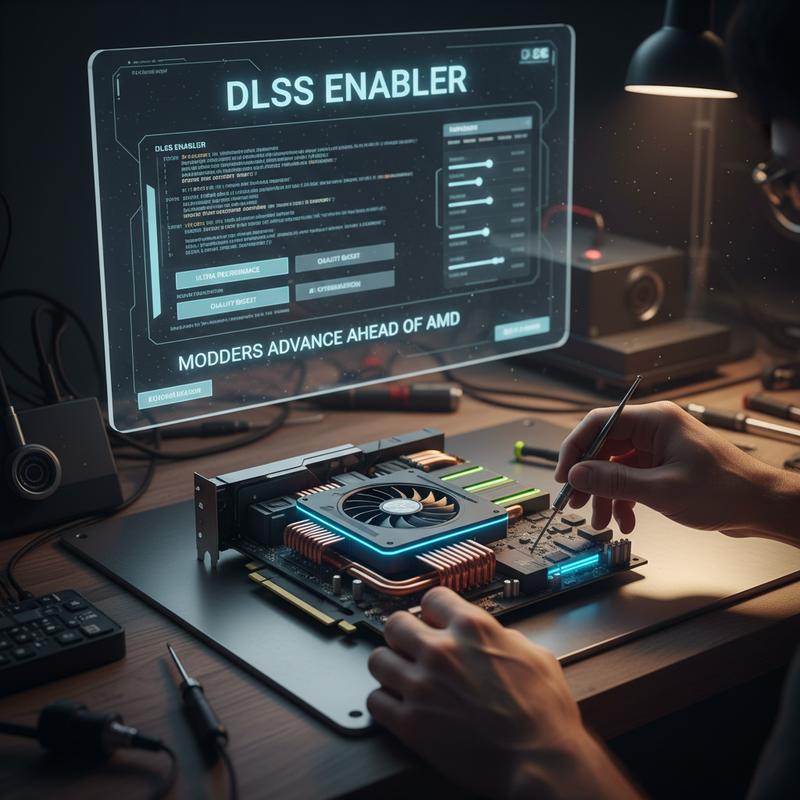
Modding communities have once again demonstrated their knack for innovation by surpassing official developments from GPU manufacturers. While AMD remains silent on its plans for features like Multi Frame Generation and FSR4 for the Radeon RX 7000 series, modders have stepped in to fill the void through tools like DLSS Enabler. This mod is innovating the landscape by allowing frame generation capabilities on a range of GPUs, even those not officially supported by manufacturers.
The most significant offering of DLSS Enabler is its ability to simulate NVIDIA’s DLSS features on any DirectX 12 compatible GPU. Typically limited to higher-end NVIDIA GPUs, this simulation is a breakthrough for users with different configurations who wish to enjoy similar perks. Users engage with DLSS Enabler by following specific technical steps, such as downloading files from Nexus Mods or altering game directories. Despite being labeled as experimental, it provides an unparalleled canvas for users curious about optimizing their gaming experience, particularly when aiming for higher frame rates.
This intriguing bridge between GPU capabilities is facilitated by tools like OptiScaler, which work behind the scenes of DLSS Enabler. Users can see mods like these bring features like 3x and 4x Multi Frame Generation to life. This is further enhanced by efforts to mitigate interpolation artifacts, demonstrating a fine balance between technical intricacy and accessible modding.
The video demonstration by Ancient Gameplays highlights the complexity and potential of these mods. It shows the benefits and setbacks in real-world scenarios, specifically with a title as demanding as Cyberpunk 2077. The visuals present a true-to-life representation of the trade-offs faced, such as noticeable artifacts at higher frame rates. Nonetheless, they offer a glimpse into what’s possible beyond the predefined barriers set by traditional GPU frameworks.
However, caution is advised. Users are warned against employing these modifications in online multiplayer games, as altering game files can trip anti-cheat mechanisms, potentially resulting in account bans. This underlines a crucial aspect: while modding opens doors to new experiences, it also necessitates a level of responsibility and awareness from users.
These developments underscore a significant shift in the ecosystem, where community-led initiatives are influencing mainstream tech evolution. Traditional manufacturers might not release incomplete or unperfected features, leaving a space for modders to explore and innovate. This evolution begs a larger conversation about the relationship between official releases and user-generated modifications.
Ultimately, the DLSS Enabler represents more than just a tool; it symbolizes the potential of community-driven innovation and its impact on the tech landscape. For those eager to dive deeper into similar technological advancements and their societal implications, read more about tech innovations.
Final thoughts
As modders forge ahead with innovative solutions like DLSS Enabler to outpace official AMD developments, the world of GPU technology continues to evolve in exciting directions. By implementing multi-frame generation and FSR4 features ahead of the curve, these community-driven developments highlight both the potential of open-source innovation and the necessity for caution due to potential issues such as game compatibility and artifact generation. This advancement serves as a reminder of the vibrant, ever-evolving landscape of technology where passionate users drive significant change, often outpacing official releases from major manufacturers.