The open source AI assistant Moltbot, known for its proactive communication abilities, has gained unprecedented popularity, earning 69,000 stars on GitHub within just a month. Created by Austrian developer Peter Steinberger, this AI marvel functions seamlessly across platforms like WhatsApp and Slack, drawing comparisons to Iron Man’s Jarvis. However, the software demands intimate access to personal data, posing significant security challenges. This article delves into Moltbot’s functionalities, its striking parallels to fictional AI, and the serious security implications of its use, offering tech enthusiasts and common users a nuanced understanding of the risks involved.
Moltbot’s Breakthrough: An AI Assistant Redefining Boundaries
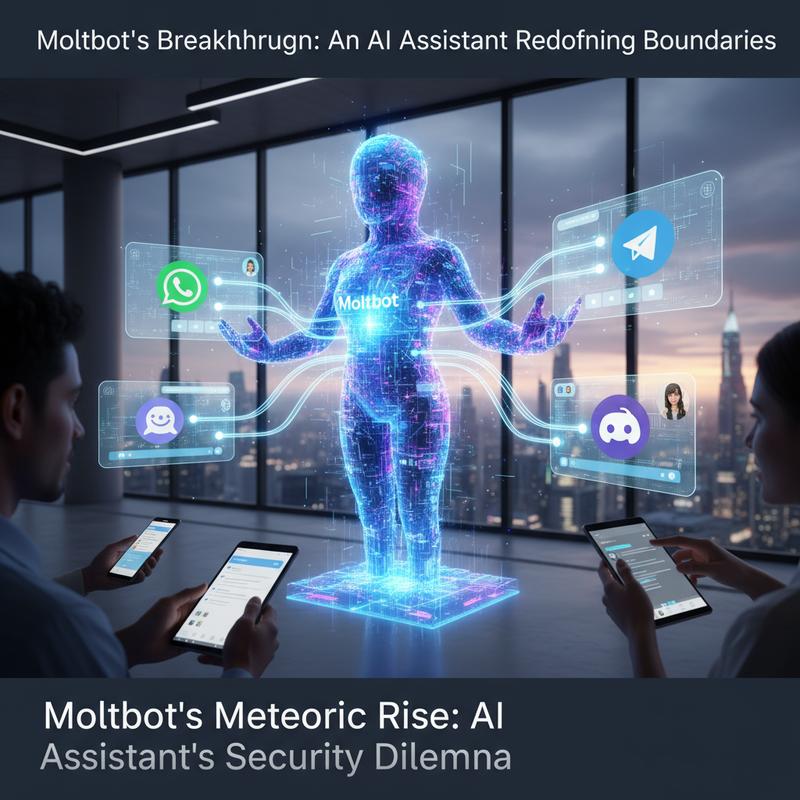
The rapid ascent of Moltbot, a new open-source AI assistant, has captured the attention of developers and tech enthusiasts worldwide. Created by Austrian developer Peter Steinberger, Moltbot has rapidly garnered over 69,000 stars on GitHub within a month. This achievement positions it as one of the fastest-growing AI projects of 2026, despite nagging security concerns.
Moltbot, previously known as “Clawdbot,” offers a unique take on personal AI assistance by integrating seamlessly with popular messaging platforms such as WhatsApp, Telegram, and Slack. Users can manage their daily tasks and receive reminders directly through these channels, making Moltbot feel like the futuristic AI assistant everyone has been waiting for. However, this innovation comes at a cost.
Running Moltbot necessitates intricate setup and maintenance. Users must manage server configurations, authentication, and sandboxing to create a semblance of security. Yet, a significant hurdle remains: the need for either an Anthropic or OpenAI subscription to leverage the full power of the large language models (LLMs) that drive Moltbot’s intelligence.
Moltbot aims to stay relevant by retaining long-term memory, a feature that sets it apart from other AI solutions that only remember data within active sessions. The assistant stores interactions as Markdown files and SQLite databases, ensuring that previous conversations remain accessible for future reference. This ability to recall past interactions long after they occur echoes the intuitive functionality of Jarvis, Iron Man’s AI assistant, which many users expect from their digital tools today.
Despite these advancements, security remains an Achilles’ heel for Moltbot. Its expansive access to messaging accounts and API keys, compounded by its need to interface directly with a user’s system, increases the potential for security breaches. Users are exposed to risks such as unauthorized access to conversation histories and API credentials, which are gateways to personal and sensitive data.
Moreover, Moltbot’s rise has been marred by a series of unfortunate events. Trademark issues forced a rebranding from “Clawdbot” to Moltbot, a move quickly exploited by cybercriminals. According to reports from The Register, scammers hijacked Steinberger’s old social media handles and even launched fraudulent cryptocurrency tokens, undermining the project’s credibility.
Critics and researchers have also noted vulnerabilities in public deployments, with Bitdefender highlighting poorly configured systems that allow unintended access to sensitive information. Enthusiasts of Moltbot must exercise caution, acknowledging the trade-offs between state-of-the-art AI capabilities and potential security pitfalls.
As AI technology pushes the envelope, tools like Moltbot illustrate both the possibilities and challenges of next-generation digital assistants. Moltbot’s ascent into prominence underscores the industry’s growing interest in refining AI platforms to better integrate with daily user activities while safeguarding privacy. However, it’s clear that while Moltbot may hint at the future of AI assistance, substantial improvements are necessary for it to become mainstream, particularly for less tech-savvy users.
To explore a range of AI tools and their implications, consider visiting ITCarolina’s AI tools section. Whether you’re delving deeper into Moltbot’s functionality or exploring other innovations, staying informed is crucial as the conversation around AI evolves.
Final thoughts
While Moltbot has captivated users with its advanced capabilities and ease of integration, the security risks associated with its comprehensive access to personal data cannot be overlooked. As it stands, the benefits of using such an advanced AI assistant must be carefully weighed against potential vulnerabilities it introduces. Steinberger’s creation is undoubtedly a glimpse into the future of AI technology, but its current iteration requires users to tread cautiously, particularly those who prioritize digital security over cutting-edge convenience. The balance between innovation and safety remains vital as Moltbot continues to evolve.