NVIDIA is poised to shake the tech world as it prepares to launch its much-anticipated ARM-based laptop chips, the N1 and N1X SoCs, by Q2 of this year. This move marks NVIDIA’s bold entry into the mainstream laptop market, challenging the established dominance of x86 processors by Intel and AMD. The introduction of these chips signifies a strategic effort to establish a strong presence on the Windows on ARM (WoA) platform, promising high-end AI computing capabilities. Throughout this article, we’ll explore the technological advancements of these chips, discuss the potential implications for the laptop market, and look ahead to NVIDIA’s future plans for ARM, including the upcoming N2/N2X chips. These developments signal a significant shift in the landscape, setting the stage for a new chapter in computing technology.
NVIDIA’s Strategic Foray: ARM Chips Set to Redefine Laptop Dynamics
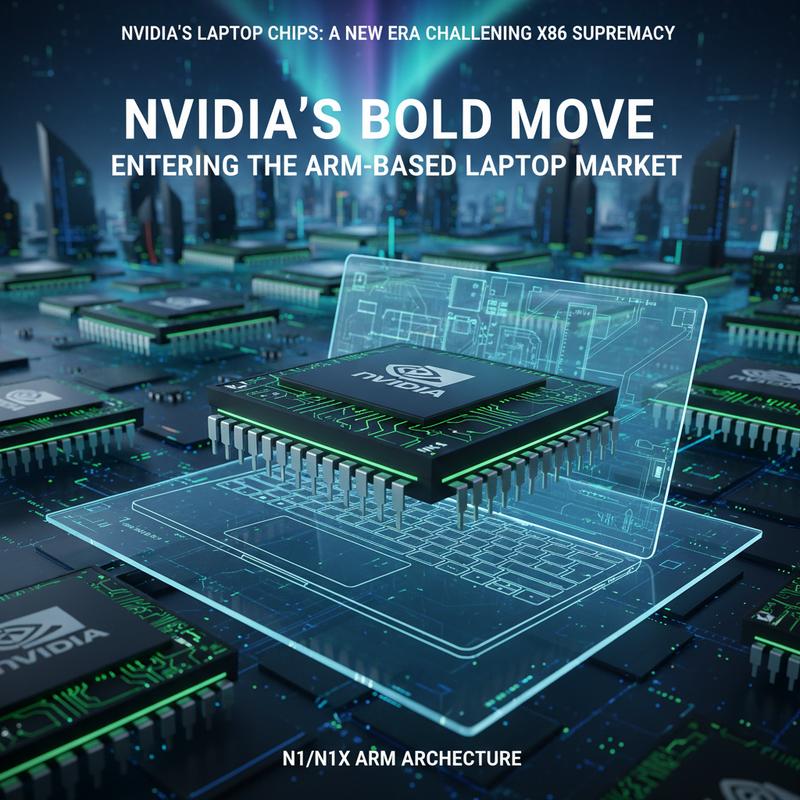
NVIDIA is on the cusp of a significant transformation in the laptop CPU landscape, positioning itself against dominant players like Intel and AMD with its ambitious entry into the ARM-based laptop market. After extensive development and delays, NVIDIA’s N1 and N1X System-on-Chips (SoCs) are poised to launch by Q2 of this year, promising to challenge the long-established supremacy of x86 architecture.
The unveiling of these ARM-based chips marks NVIDIA’s groundbreaking shift toward integrating its technological expertise into the consumer laptop segment. This bold move aligns with NVIDIA’s broader strategy to solidify its foothold in the Artificial Intelligence (AI) ecosystem, laying the foundation for what it aims to be a “high-end AI computing platform.” This development is even more compelling considering NVIDIA’s reputation as a titan in GPU technology, a market it has somewhat distanced from in recent years.
The N1/N1X chips are designed to harness the power of ARM architecture, leveraging the advanced 3nm process technology from TSMC. Though specific performance metrics have yet to be disclosed, these chips are expected to mirror the architecture and capabilities of NVIDIA’s current GB10 SoC, found in the DGX Spark. The strategic entry in Q1, with retail availability aimed for Q2, underlines NVIDIA’s confidence in its product line as it seeks to establish itself prominently in a domain overwhelmingly dominated by x86.
The impetus behind this shift is not just to diversify NVIDIA’s market presence but to dominate the Windows on ARM (WoA) platform—a demographic traditionally seen as an untapped goldmine. The ARM market for laptops is expected to burgeon, fueled by an increasing demand for energy-efficient and high-performance mobile computing solutions.
NVIDIA’s roadmap doesn’t just stop at the N1/N1X launch. The company’s future-focused vision extends to the development of next-generation ARM chips—dubbed N2/N2X—expected to debut in 2027. This shows NVIDIA’s commitment to evolving its product line to cater to burgeoning computational demands driven by AI advancements and the growing intricacies of consumer needs.
However, NVIDIA’s strategic execution goes beyond production and marketing. To ensure a successful launch and widespread adoption, NVIDIA is collaborating closely with Original Equipment Manufacturers (OEMs), providing them with comprehensive reference designs. This approach allows NVIDIA to maintain a degree of control over the quality and performance of its chips, ensuring they meet the stringent requirements of both OEMs and consumers.
Adding another layer to its strategy, NVIDIA is developing a robust retail framework through partnerships with selected vendors. This includes establishing an Approved Vendor List (AVL) and a Recommended Vendor List (RVL), dedicating the latter to vendors less thoroughly verified but perhaps more specialized in tweaking performance variables like clock speeds.
The upcoming GTC 2026 conference, set for March, could serve as the ideal platform for NVIDIA to debut these ARM chips. This moment will not only be an exposition of technological prowess but could signify the beginning of a strategic offensive against Intel’s Panther Lake and AMD’s Gorgon Point architectures, signaling a new era for laptop computing.
For more insights on ARM’s role in shaping computing technologies this year, you might want to explore this deep dive here.
In conclusion, NVIDIA’s foray into the ARM-based laptop CPU sector represents more than just an expansion—it marks a bold redefinition of what’s expected from laptop processing power in an era dominated by AI-driven demands. As the debut of N1/N1X SoCs draws near, the anticipation among consumers and industries alike is palpable, setting the stage for a potentially monumental shift in computing paradigms.
Final thoughts
NVIDIA’s introduction of the N1/N1X ARM laptop chips is a significant leap forward in the computing world, challenging the established x86 dominance. With their planned entry to market by Q2 of this year, NVIDIA aims to capture a critical segment of the AI ecosystem, strongly positioning itself as a leader in high-performance computing. This development not only promises enhanced computing capabilities for consumers but also sets the stage for further advancements with upcoming generations like the N2/N2X chips. As NVIDIA makes its stride into the laptop segment, tech enthusiasts and everyday users alike can look forward to experiencing the transformative impact these innovations will bring.
Source: https://wccftech.com/nvidia-laptop-chips-after-a-long-awaited-build-up-are-set-to-debut-this-year/