Receiving a call from ‘Security Support’ set my heart racing, but instead of hanging up, I played along. Over 40 minutes, I kept a scammer on the line to discern their strategy, uncovering the persuasive scripts used to manipulate emotions. This experience peeled back the layers of psychological triggers—urgency, fear, and authority—that scammers exploit. In this recount, I share insights not only from holding the scammer’s attention but also what I learned about their methods. Expect revelations on their crafted narratives, how they seed fear, and assert authority, providing a comprehensive view into the world of phone scams and how to arm yourself against them.
Crafting the Illusion: An Inside Look at Scam Call Scripts

In the intricate world of telephonic deception, scam calls emerge as a meticulous combination of psychological manipulation and technological cunning. At the heart of this malicious craft lies a core strategy: impersonation. Scammers assume the identities of reputable entities, such as Amazon customer service, seamlessly blending into the daily communication ecosystem of their targets. By employing spoofed Caller IDs, they mimic the appearance of legitimate phone numbers, lending unwarranted credibility to their unsolicited introductions.
From the first moment, these perpetrators deploy a well-rehearsed script designed to latch onto their victims’ attention through a formidable blend of urgency and fear. The opening gambit is straightforward yet effective: ‘This is Amazon support—your account has suspicious activity.’ Such phrases wield the dual power of sparking concern and suggesting authority. The immediate reaction sought is one of panic, a calculated psychological trigger that prompts decision-making without the luxury of prolonged contemplation.
As the conversation unfolds, the sense of emergency escalates. The scammer’s narrative is riddled with threats disguised as warnings—account suspension, unauthorized transactions, or errors needing urgent correction. Such scenarios push the victim toward a hasty resolution that often involves sharing sensitive financial information, as scammers expertly leverage the fear of losing access to essential services. This tactical urgency is further compounded by demands for immediate actions, such as verifying banking details or purchasing gift cards—methods that instantly set off alarms to the discerning ear as they fall outside the realms of typical customer service practices.
Once the victim is ensnared in this web of falsehoods, the bluff deepens. The scammer steers the interaction toward an irreversible point of commitment: offering to ‘resolve’ the issue via direct payment or guiding the individual to spoofed websites that look eerily authentic. In some iterations, victims might receive callback phishing traps—initial emails or texts bearing fake invoices or receipts that entice the recipient to reach out to a scammer-controlled phone line. This callback serves not only as a device of deception but as an evidence eraser—by shifting responsibility to the victim for initiating communication.
For the unsuspecting individual, these calls maintain an air of legitimacy up until the moment of revelation, often when the scammer, faced with skepticism, abruptly hangs up. The abrupt conclusion to the call is as deliberate as its initiation—aimed at preserving the operational integrity of the scam. Scam callers exploit the chaos they sow, quickly moving from one target to another in a high-velocity manner. Such practices, as noted in recent analyses, result in behavioral triggers that flag these phone numbers under ‘scam likely’ labels, thanks to their persistent high-volume, short-duration calls.
In countering these crafty strategies, awareness and diligence become powerful tools. Recognizing the incongruences in the script—the unexpected request for personal information, unsolicited advice, and urgency that precludes independent verification—serves as the first line of defense. It’s equally crucial for individuals to independently verify any claims by contacting companies through verified contact points, whether online or through official apps. Reporting and flagging suspected scam numbers further helps narrow the field in this ever-evolving race against digital con artists.
In a landscape where scammers constantly adapt to bypass increasingly sophisticated digital filters, this understanding of scam tactics remains vital. It ensures individuals are not just passive targets but active participants in safeguarding their personal information and disrupting the nefarious cycles that seek to exploit them. The narrative of security is not just about caution but about equipping oneself with knowledge—a crucial element in navigating and ultimately defeating this high-stakes digital deception.
Psychological Warfare: Urgency, Fear, and the Art of Manipulation
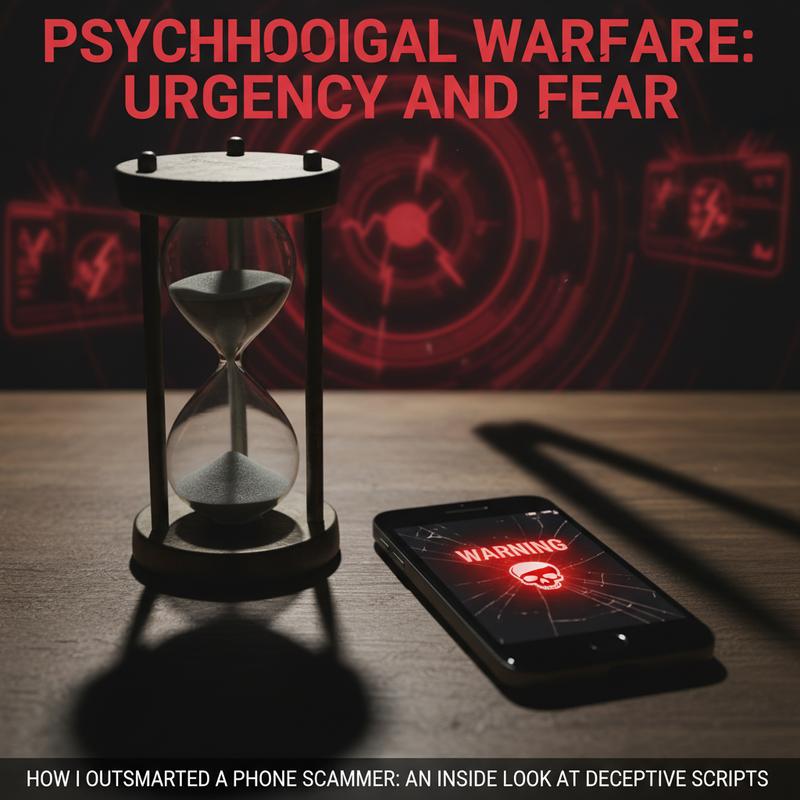
In the intricate tapestry of scam calls, one thread interweaves consistently throughout: the manipulation of urgency and fear. These psychological weapons are wielded by scammers not merely as tools of misdirection but as powerful forces that overturn rationality and implant a false sense of crisis. This manipulation plays directly into cognitive vulnerabilities and emotional triggers, coercing individuals into compliance before reflective thought can intervene.
At the heart of scam calls is the creation of artificial urgency, often amplified by technologically sophisticated scripts and persuasive dialogue. Fear of Missing Out (FOMO) is just one of the footholds that scammers exploit. By constructing false scenarios of imminent danger, such as declaring that one’s computer is compromised, scammers induce a panicked response. Commands like “Act now or your data will be permanently lost” are akin to cognitive time bombs designed to short-circuit consideration and prompt hasty reactions. This immediacy shuts down internal debates, as fear suppresses the parts of the brain responsible for cautious, deliberate thinking.
Fear-based identity triggers work subtly yet aggressively, reshaping a victim’s perception of their current predicament. This approach may repeatedly affirm threats to identity or personal safety, such as financial ruin or loss of privacy, until these fears override logic. The scammer’s voice becomes one of quiet authority, guiding a victim into an emotional state where defensive reasoning pales under the immediate threat.
The manipulation extends beyond the individual into broader spheres through purpose anchors that compound fear with cognitive dissonance. Scammers craft narratives that pit the victim’s current state against an alarming anticipated future, creating an internal conflict that forces compliance. The false urgency is often communicated through cleverly timed alerts or notifications, meticulously constructed to appear authentic and unavoidable.
In the landscape of deception, these psychological ploys are augmented by digital means. Messaging algorithms enhance identity fears and confirm biases, all while bots flood communication channels with fabricated narratives magnified by memes and orchestrated disinformation campaigns. These tactics cause immersion in deception by layering urgency onto real-time digital signals.
A real-world extension of these cognitive tactics becomes clear in the operation of tech support scams, where fear becomes routine, and compliance becomes conditioned behavior. Over time, victims may internalize this fear, altering their emotional and attentional regulation—a tactic deeply embedded within the extortion framework of these schemes. Yet, some have learned to wield these same techniques against scammers. By using safe environments like virtual machines and sustaining non-compliance through ignorance or elongated discourse, the typical scam narrative can unravel.
The eventual realization for many comes when recognizing the clear red flags, such as unsolicited demands for personal or financial information through insecure channels like gift cards. These clear signals, when understood, form the first line of defense against ongoing psychological attacks. The key lesson, then, is not merely to recognize what prompts fear and urgency but to reinforce the mental fortitude needed to repel them, further highlighted in cybersecurity resources and awareness platforms, such as AI voice cloning family scam.
This intricate dance of urgency and fear, when unmasked, provides insight into how scam callers manage to exploit emotional and cognitive loops to their advantage. Understanding these dynamics not only equips potential victims but also builds resilience against the everyday manipulation attempted by such fraudulent activities.
Authority in Illusion: The Scammer’s Masked Control
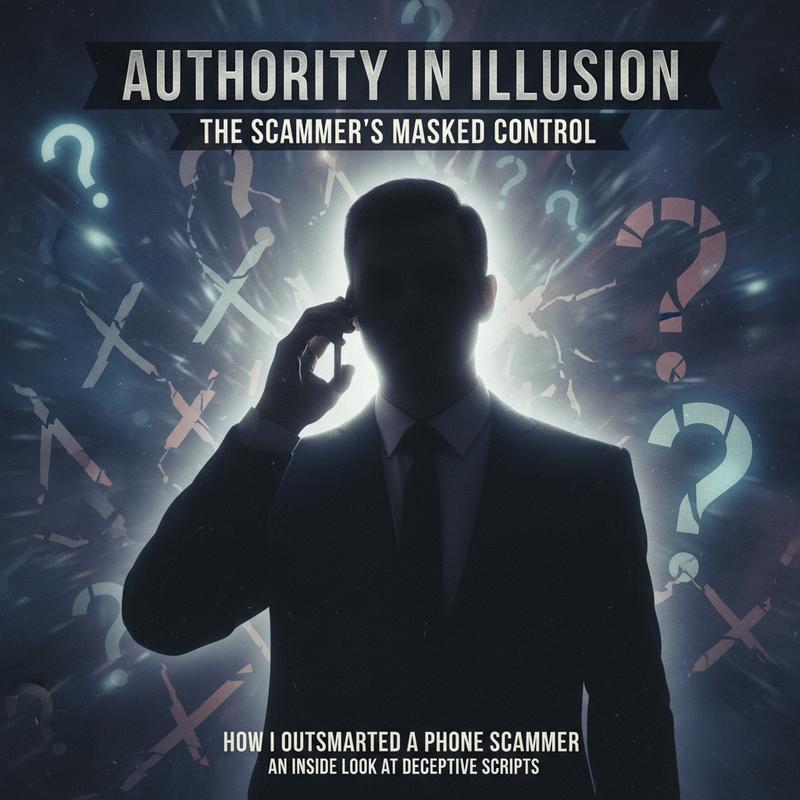
In the cunning landscape of scam operations, authority is not just displayed—it’s meticulously crafted and wielded as a powerful tool of compliance. Scammers, masters of deceit, construct an elaborate façade of credibility that hinges on our instinctive respect for authority figures. By fabricating an illusion of competence and control, these con artists exploit the trust that individuals typically extend towards legitimate institutions.
Authority in scams is often the first shackle. Impostors assume the guise of authoritative figures, such as bank security personnel, law enforcement, or tech support. The choice of these roles is not random; these entities inherently command trust and obedience. When a scammer identifies themselves as a bank fraud officer claiming your account is compromised, or a tech expert from a prominent company diagnosing a critical issue, they tap into a foundational human tendency to comply with so-called “experts”.
To bolster their guise, scammers enhance their charade with visual and digital trappings of legitimacy. They create authentic-looking websites, use sophisticated AI-generated profiles, and send emails with perfectly spoofed domains. These efforts are intended to create a seamless illusion of authority, aiming to make even the sharpest eye falter and mistake fake for fact.
Once the hook is set, scammers deepen their manipulation by reinforcing their poses with psychological levers. They portray themselves as benevolent guides navigating a crisis—perhaps suggesting that acting swiftly would prevent severe consequences like funds being frozen. In moments of trust, the victim’s perception is further twisted by the scammer’s storytelling, evolving narratives that both alarm and reassure.
The role-playing extends passionately as scammers demand secrecy, advising victims not to consult with their banks or relatives under the guise of protection. Isolation is important in this psychological game, as it ensures the victim remains enclosed within the scammer’s narrative, worrying that their every move is closely observed by purported authority figures. This isolation is strengthened by artificially induced urgency, where victims, in fear of imagined doom, reach the transactional demands of gift cards, cryptocurrency payments, or divulged personal information.
Advanced scams now even utilize AI enhancements to add layers of realism to their storied deceptions. Voice cloning technology can craft remarkably convincing conversations, while AI-generated images might display the dire consequences of non-compliance, convincing victims that swift action is essential.
The effectiveness of this deception lies in its direct attack on human psychology, especially under pressure. It overlays the impulse to comply with authority with emotional influences, often leaving even the most skeptical individuals vulnerable. As victims reel, trusting that they are acting upon the advice of a genuine expert, they find their logic blurred by fear and urgency.
Combating these manipulative tactics demands a conscious effort to challenge perceived authority and resist isolation. The best defenses come from skepticism and verification—independently verifying claims by contacting real institutions directly through known and trusted channels. Sharing these experiences with friends or family can also disrupt scammers’ attempts to isolate victims, as these external perspectives often cut through the web of lies.
While the task of countering these scams can seem daunting, knowledge and preparedness significantly reduce their impact. Remaining vigilant, questioning unsolicited authority, and relying on confirmation from trusted sources form the bulwark against their control. Remember, legitimate entities will never request urgent actions via insecure means like gift cards or cryptocurrency.
For more insights into evolving scam tactics and how to protect yourself, consider exploring AI voice cloning and its implications in scams. This resource offers a deeper understanding of how advanced technologies are misused in the realm of deception.
Final thoughts
Understanding the inner workings of scam calls reveals how emotional triggers like urgency, fear, and the guise of authority can manipulate the unsuspecting. By dissecting these tactics, you not only gain awareness but also the ability to safeguard yourself and others against these invasions of trust. Remaining informed and vigilant turns what was once a threat into an opportunity for empowerment. Protect your devices and your peace of mind by learning to navigate these tests of perception.
Protect your tech and peace of mind—get expert help from IT Carolina today.
Learn more: https://itcarolina.com/about/
About us
At IT Carolina, we don’t just optimize your gaming rig or set up your smart devices—we make sure you’re protected against tech threats, too. Our experts help you recognize scammer tactics like fake support calls and offer hands-on setup and security checks for all your devices. Whether you’re deep into Xbox Game Pass or upgrading your home network, count on IT Carolina for secure, streamlined performance and reliable, local support you can trust.