In today’s digital landscape, where remote work and digital transactions have become norms, the threat of ‘Quishing’ has emerged as a significant risk to businesses and individuals alike. By exploiting the trust placed in QR codes, cybercriminals are finding new ways to bypass traditional security measures, posing a severe threat to business networks and personal data. This rising trend, if ignored, can lead to extensive financial and reputational damage. Our exploration begins by uncovering why businesses are particularly vulnerable to quishing, delves into the mechanics of these attacks, and concludes with strategies to safeguard your company from potential threats.
The Hidden Vulnerabilities: Why Businesses Fall Prey to ‘Quishing’ Attacks
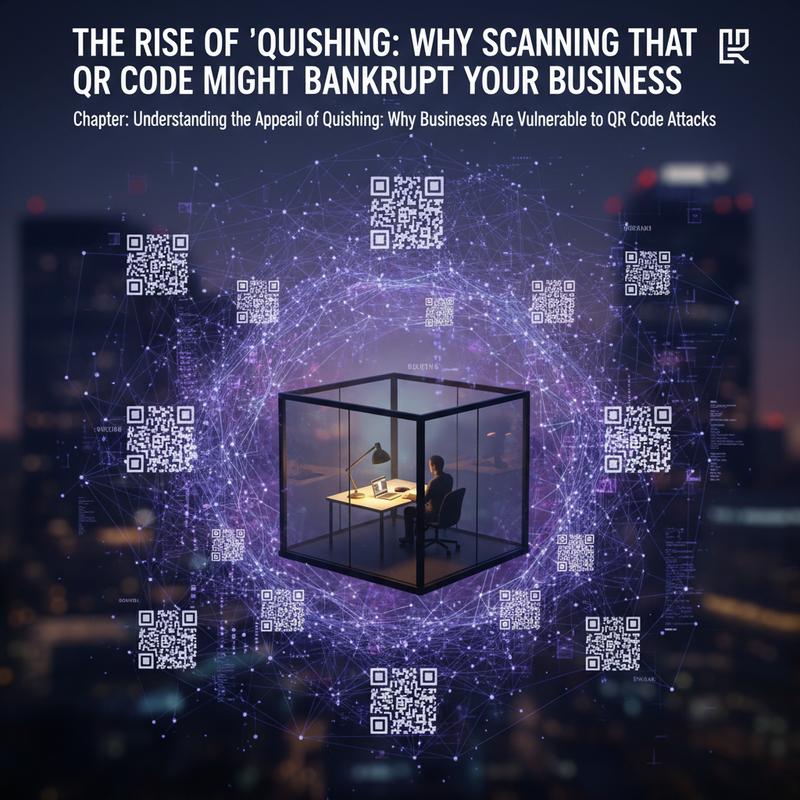
As businesses increasingly utilize QR codes to streamline operations and enhance customer experience, they inadvertently expose themselves to a burgeoning cybersecurity threat known as ‘quishing.’ This sophisticated form of phishing cleverly exploits the inherent trust people place in QR codes. Deceptively simple, yet alarmingly effective, quishing takes advantage of both their pervasiveness and the widespread assumption of their safety.
The fundamental vulnerability that quishing exploits is the QR code’s capacity to sidestep traditional security measures. Unlike hyperlinks in emails, QR codes are scanned directly by users, offering no preview of their destination, which bypasses the most common security filters designed to detect phishing attempts. This makes QR codes an attractive vector for cybercriminals who have adapted to the evolving cybersecurity landscape, where email-based attacks are increasingly being thwarted by sophisticated defenses.
QR codes, by their very nature, are integrated into environments where trust meets convenience. Whether nestled in a café’s WiFi access signs or affixed to a restaurant menu, they promise effortless interactions, yet this promise is precisely what malicious actors prey upon. The codes can easily be altered or replaced by malevolent versions without arousing suspicion, and their presence in trusted settings such as office lobbies or parking meters lends them an undeserved credibility.
The convenience of scanning QR codes predominantly using mobile devices introduces another layer of risk. Mobile devices do not typically boast the rigorous security controls of desktops within business environments. Often, the simplicity of a scan can lead to intricate forms of compromise, with attackers using these codes to install malware or harvest credentials without users’ knowledge. This risk is exacerbated by highly targeted attacks that employ real-time proxy sites capable of intercepting multi-factor authentication codes. When unsuspecting users fall for these traps, they inadvertently grant attackers complete access to their accounts, thus elevating the threat level significantly.
Moreover, quishing attacks manipulate situations where users are likely to lower their guard. The subtle art of social engineering is fully at play here. Scenarios where employees are hurried or distracted—parking meters demanding payment, signs promising internet access, or delivery notifications urging action—provide the perfect cover for attacks. These deceptive circumstances compel quick compliance, reducing the likelihood that users will question the legitimacy of the QR code they are scanning.
Businesses must recognize the multifaceted appeal of quishing to address its threat effectively. The inability to foresee a destination before scanning—a luxury afforded by traditional email links—leaves users exposed to exploitation. As such, implementing robust measures such as continuous monitoring of QR code destinations and ensuring they authenticate via secure protocols like TLS and SSL certificates are critical. Similarly, educating employees to scrutinize QR code requests, especially unsolicited ones, can diminish the efficacy of these attacks.
In conclusion, quishing’s strategic exploitation of QR codes underscores a vital need for businesses to reassess their approach to cybersecurity. As attacking methodologies evolve, so too must the defenses, emphasizing the importance of vigilance, education, and the implementation of advanced security measures. Through such efforts, the seemingly innocuous act of scanning a QR code can transform from a potential threat back into the useful tool it’s meant to be, safeguarding businesses from becoming the next victim in this digital landscape.
Intricacies of Infiltration: The Sophisticated Motions of Quishing Threats
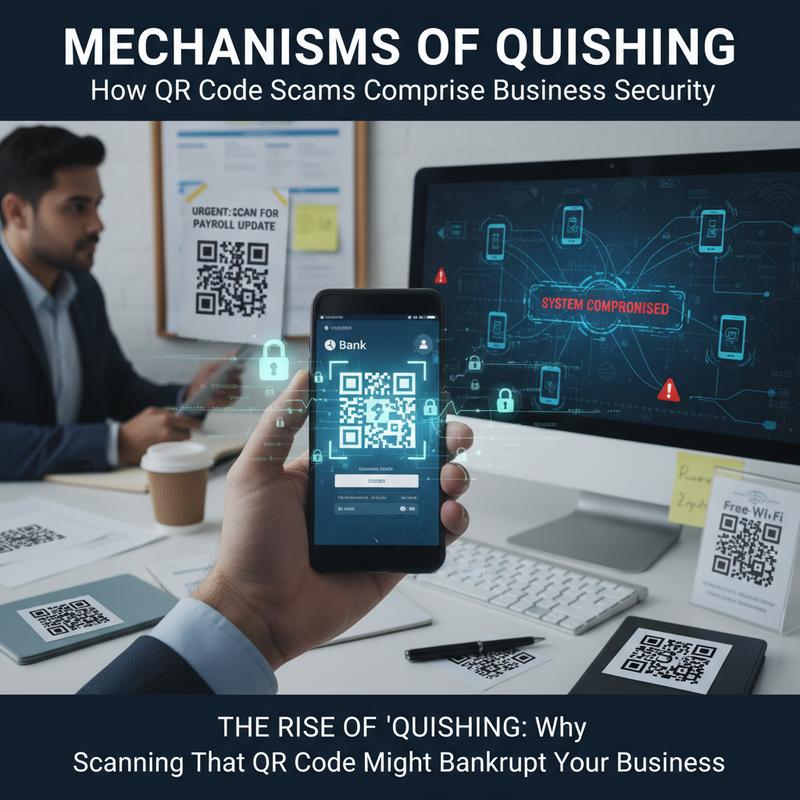
Quishing, the cunning amalgamation of QR code technology and phishing tactics, presents an insidious threat to organizational security. This distinctive form of cyber-attack leverages the universal adoption and perceived legitimacy of QR codes, sidestepping traditional defense mechanisms that are typically effective against more conventional phishing emails.
QR codes, celebrated for their convenience and efficiency, have a latent vulnerability: they inherently lack security measures to verify their destinations. This absence of built-in security makes them ripe for exploitation. Unlike URLs in emails that can be previewed, a QR code’s endpoint remains hidden until scanned, fostering an environment of blind trust that cybercriminals can easily exploit.
Central to quishing campaigns is the tactic of credential harvesting. Impersonation through QR codes is a favored strategy where attackers design fake but seemingly genuine portals. These typically appear in mundane settings, such as IT support notices requiring software updates or contactless visitor sign-ins, masked with corporate branding to divert unsuspecting employees. This subterfuge heightens the risk of organizational breaches, granting attackers a foothold into secure systems once credentials are willingly offered by unwary staff.
Another sophisticated assault vector is the compromise of mobile devices. As QR codes are predominantly scanned via mobile phones, attacks frequently entail installing malicious software. This malware can intercept two-factor authentication codes, pilfer stored passwords, or even monitor future mobile interactions, exploiting the fact that these devices often operate beyond the protective reach of corporate security systems.
Advanced quishing techniques also include programmatic QR attacks. These involve embedding malicious scripts within QR codes, a method that surpasses mere URL redirection by initiating unauthorized actions without the user’s explicit knowledge. By harnessing the capacity of QR applications to interpret JavaScript, attackers can perpetrate unauthorized financial transactions or capture sensitive data seamlessly, entirely unbeknownst to the user.
Financial departments are notably vulnerable to quishing through invoice and payment fraud. By dispatching fraudulent invoices equipped with QR codes, attackers direct finance teams to counterfeit payment sites. These sites are meticulously crafted to mirror legitimate business interfaces, designed to extract banking credentials and other crucial verification details that facilitate further attacks.
In essence, quishing capitalizes on the prevalent gaps in traditional security protocols that fail to adequately monitor or assess the authenticity of QR code interactions. With C-suite executives harboring a 40-fold increased susceptibility to such attacks, as opposed to general employee pools, the repercussions are profound. The lack of obvious visual indicators distinguishes these scams from conventional phishing, hence engendering a 500% surge in these incidents across 2023.
To counteract the pervasive threats posed by quishing, organizations must transcend traditional security practices. Multi-layered defensive strategies that incorporate thorough employee training on recognizing quishing attempts are imperative. Developing security frameworks that extend protections to mobile environments and amplifying the robustness of authentication processes are necessary measures. Implement effective security strategies for your business now to mitigate these evolving threats. This concerted effort must involve proactive measures such as continuous re-validation of QR code destinations and strict governance over their deployment and usage.
Ultimately, bridging the knowledge gap among employees and establishing comprehensive security protocols can significantly diminish the potential damage wrought by quishing attacks. The confluence of technical innovations and behavioral vigilance stands as the bulwark against these increasingly cunning and sophisticated threats.
Adaptive Strategies for Defending Against Quishing: Safeguarding Your Business Through Layered Security
In the escalating conflict between cybersecurity defenses and cybercriminal ingenuity, ‘quishing’ has emerged as a formidable adversary. This insidious blend of QR codes and phishing exemplifies a pivotal shift in attack strategies, exploiting the average user’s inherent trust in QR technology. As organizations become more reliant on QR codes for seamless operations, understanding and mitigating this threat becomes crucial.
The allure of QR codes lies in their simplicity and ubiquity. Yet, it is exactly this pervasiveness that makes them a prime vector for attack. From financial institutions to healthcare providers, industries leveraging QR codes find themselves at risk of not just financial loss but a profound erosion of trust and operational stability.
Understanding the mechanisms at play is the first step in developing a robust defense. Quishing attacks typically involve redirecting users from legitimate-seeming QR codes to malicious sites, often indistinguishable at first glance. These attacks can manifest in various forms—from sticker overlays on reputable codes placed in high-traffic areas to invisible digital campaigns targeting mobile device vulnerabilities.
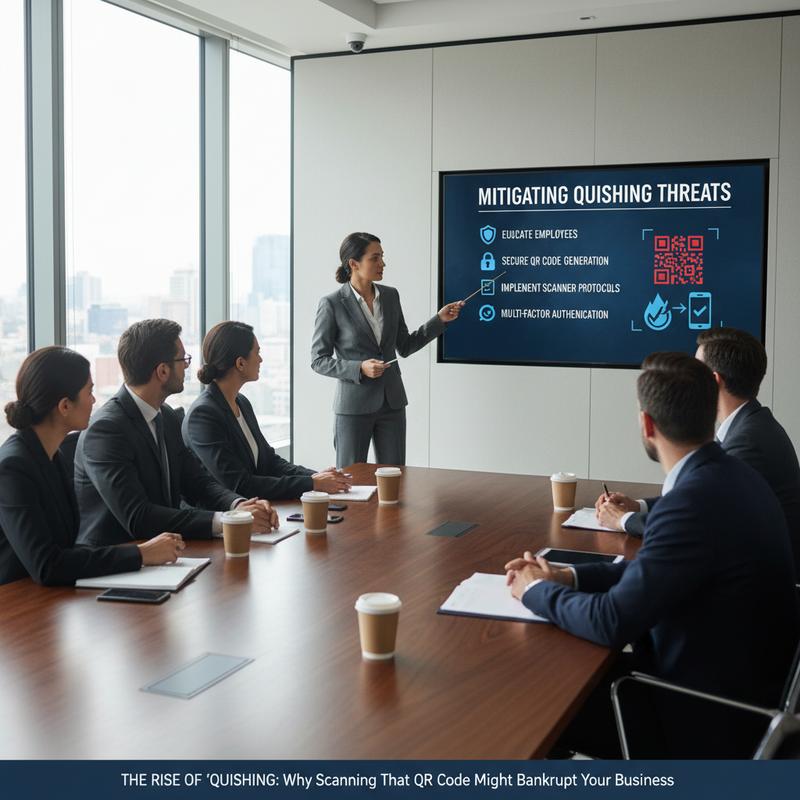
In the volatile cybersecurity landscape, multi-layered defense strategies are imperative. Employee education serves as the bedrock of any security protocol. Organizations must integrate quishing scenarios into cybersecurity training programs, equipping employees with the skills to scrutinize QR codes with a healthy dose of skepticism. These training sessions should highlight red flags, such as unexpected code placements, untrusted URL shorteners, and unfamiliar domain names.
Beyond training, technological infrastructure plays a vital role. Implementing Mobile Device Management (MDM) systems ensures that even if a device scans a malevolent QR code, access to harmful domains is blocked. Similarly, secure QR code platforms that offer SSL validation and automated link checks add a protective layer by verifying destination safety before a user engages with potentially harmful content.
Auth strategies, like multi-factor authentication (MFA), provide additional shields. By relying on more than just passwords, organizations can thwart unauthorized access attempts, even if credentials are harvested. The implementation of modern authentication frameworks that minimize the reliance on knowledge-based factors helps reduce the attack surface significantly.
Organizational governance over QR code usage extends these defenses. Creating a cohesive policy around the creation and deployment of QR codes—incorporating traceable branding and periodic audits—ensures there are clear lines of responsibility and swift pathways for remediation when threats are detected. Incorporating physical security markers such as holographic stickers and serial numbers adds a tangible layer of trust to QR interactions.
Industry-specific tactics also warrant consideration. Financial services must embrace rigorous controls for their inherent access to valuable data. Healthcare providers need standards that align with regulatory compliance while safeguarding sensitive data from breaches. Retailers with voluminous QR code usage must focus on comprehensive governance across various customer touchpoints. Manufacturing sectors dependent on QR codes for logistics and inventory should ironclad continuity protections.
On the horizon, emerging technologies promise further fortifications against quishing. AI-powered scanning tools that pre-emptively assess the safety of QR code destinations before user engagement, and blockchain-verifiable codes for authenticity checks, are set to enhance the current defense mechanisms. These innovations, combined with improved mobile OS warnings against dubious QR codes, will bolster existing security frameworks.
In the unfortunate event of a successful quishing attack, rapid incident response is critical. This involves immediate MFA enforcement on affected accounts, potential professional malware cleansing, and conducting in-depth post-incident analyses to strengthen the weakest links exploited by attackers. For organizations determined to protect their business assets and maintain customer trust, adopting an adaptive, layered defense strategy against quishing is not merely advisable—it is essential.
Final thoughts
As cyber threats continue to evolve, it is crucial for businesses of all sizes to stay vigilant against emerging threats like quishing. Understanding the appeal and mechanisms of these attacks allows organizations to implement appropriate safeguards, ensuring that a simple QR code scan doesn’t lead to devastating security breaches. A robust approach combining technology, employee education, and vigilant protocol can significantly mitigate risks. By adopting these strategies, businesses can turn the tide against cybercriminals and protect their digital landscapes from potential bankruptcy threats.
Don’t let a simple scan cripple your business — secure your digital workspace with expert support today.
Learn more: https://itcarolina.com/about/
About us
IT Carolina now extends its premium tech support to small businesses and remote professionals, offering proactive protection against emerging digital threats like ‘Quishing’. Our specialized services include comprehensive device setup, secure network configuration, and QR code threat awareness training to keep your operations running safely and efficiently. From home offices to small business networks, we ensure your technology is both optimized and protected. Partner with IT Carolina for peace of mind in a connected world.