In 2026, technological advancement meets an increased demand for sustainable consumption, making the choice between refurbished and new devices more relevant than ever. The allure of cost savings and environmental benefits draws consumers to refurbished tech. However, navigating this market requires a clear understanding of quality standards, cost implications, and safety checks. Additionally, emerging logistical challenges pose new considerations. This guide offers a comprehensive look into how refurbished and new devices stack up in 2026, detailing quality assurance, evaluating costs, ensuring safe purchases, and understanding new logistical hurdles. Each chapter aims to help you make informed decisions, balancing budget, sustainability, and risk management to meet your tech needs.
Navigating Refurbished and New Tech in 2026: Quality Assurance and Pitfalls
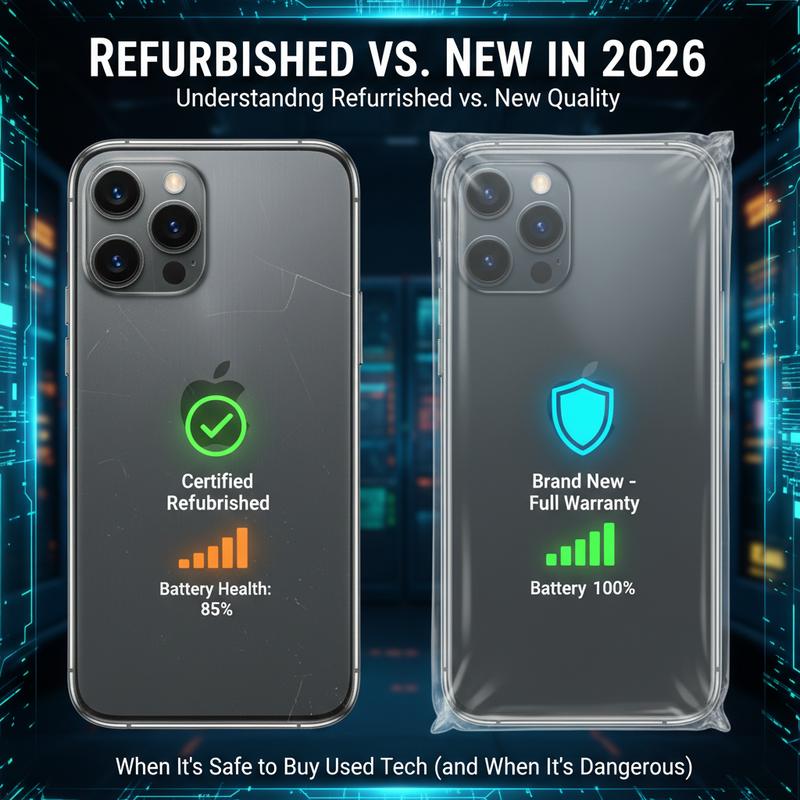
In the ever-evolving landscape of technology in 2026, the decision to purchase refurbished versus new devices hinges on understanding the nuances of quality assurance processes and the inherent risks involved. Refurbished technology, widely acknowledged for its affordability, also bears a reputation for reliability when sourced from reputable refurbishers. However, knowing when refurbished devices are a safe alternative to new products requires a thorough understanding of the refurbishment process and the specific circumstances that may pose risks.
Refurbished devices emerge from systematic processes that mirror or even rival the assembly lines of new products. Unlike used gadgets sold as-is, professionally refurbished technology undergoes meticulous inspections. Reputable refurbishers, such as Microsoft Certified Refurbishers (MCR), adhere to stringent standards that include testing for data security and functionality. Each device is assessed for hardware faults, which are rectified by replacing defective components, ensuring the end product functions near or at its original performance levels. The legitimacy of refurbished products often hinges on the credentials of the seller, making the origin of purchase crucial to consumer confidence.
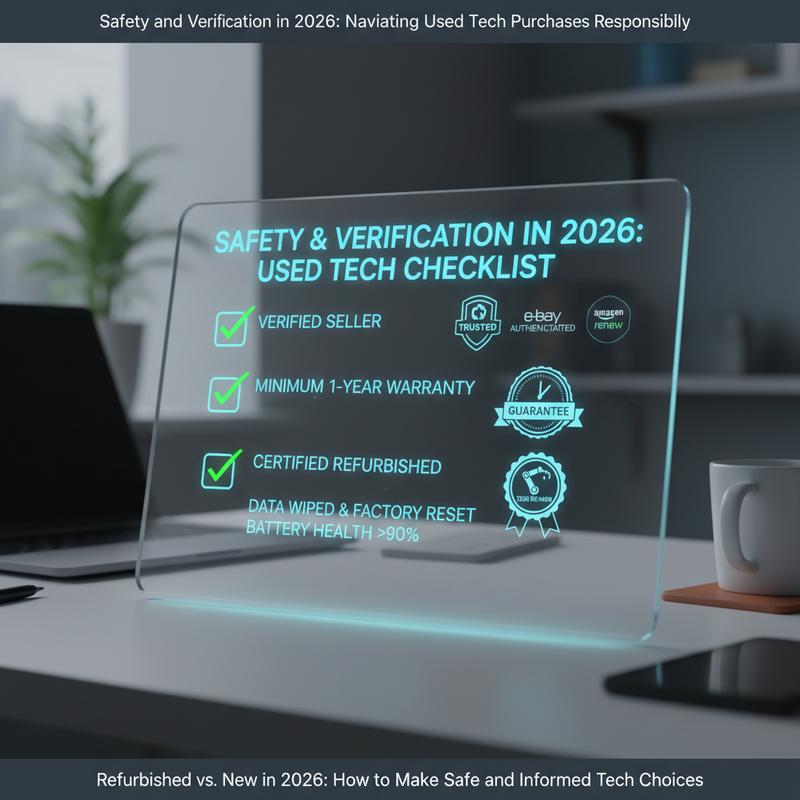
Certified refurbishers distinguish themselves by providing comprehensive warranties, often aligning with those of new devices, which serve as a testament to their confidence in the restoration processes. Warranties generally range between 90 days and a full year, offering assurances similar to new purchases. Buyers should ensure these terms cover both parts and labor to maximize value. Additionally, refurbished laptops and desktops that were previously high-end models often present as safer bets. Devices with slightly outdated yet powerful Intel Core i3, i5, and i7 processors from recent years frequently offer superior performance and longevity compared to new budget options.
Despite the advantages, several pitfalls exist in the refurbished market that can jeopardize the appeal of this option. Unverified sellers pose a significant risk, particularly those lacking clear certification or those with obscure reputations. The absence of a robust warranty is a red flag that should prompt buyers to reconsider any purchase. Inadequately backed products, such as those with warranties shorter than 90 days, may indicate the seller’s lack of faith in their refurbishment quality.
Smartphones, due to their complex repair demands and rapid evolution, comprise an area of heightened risk within the refurbished sector. Integration of sophisticated features like folding screens and compact chipsets makes repairs cost-prohibitive and technically challenging. Battery health further complicates refurbished handset purchases since it is often the first component to degrade significantly, reducing overall device life.
Recognizing when refurbished tech is a viable choice necessitates vigilance toward specific warning signals, especially when dealing with poorly conditioned devices. Although minor scratches are generally inconsequential, extensive cosmetic damage may suggest neglect or inadequate refurbishment efforts. Always verify software licensure to avoid potential issues with unlicensed operating systems, which could be the harbinger of more significant flaws.
Achieving satisfactory outcomes when buying refurbished tech requires a strategic approach: defining performance needs, checking battery health, and meticulously examining refurbishment grades. Research buyers can be further assisted by credible customer service infrastructures, which should include responsive communication channels.
Ultimately, as we stand on the cusp of 2026, the environmental and financial incentives of choosing refurbished technology are compelling. With offers that run 30 to 50 percent below retail prices, refurbished devices present an attractive alternative, especially for the environmentally conscious consumer. As the market expands, these options, bolstered by trusted refurbishers, can provide reliable support over new devices, particularly in sectors seeking economic and ecological balance. For those pursuing second-hand technology, maintaining an informed and cautious approach ensures that the value proposition remains steadfast.
Dollars and Scents: The Cost and Environmental Impact of Buying Refurbished Tech in 2026
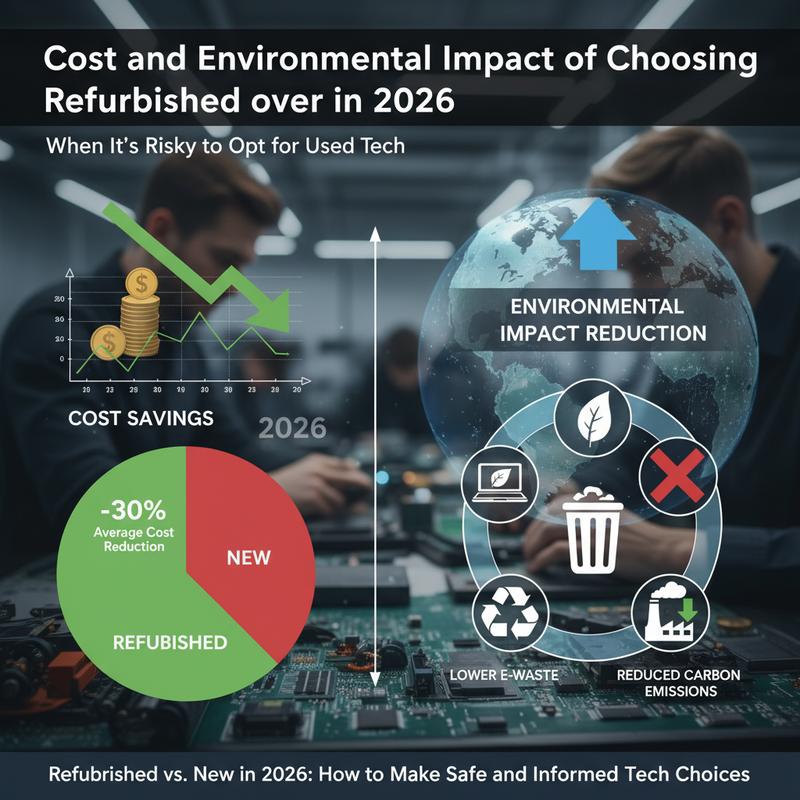
In 2026, the allure of refurbished technology extends beyond the appeal of reduced price tags. While new gadgets tempt with their immaculate conditions and cutting-edge features, refurbished items beckon with compelling cost savings and environmental responsibility—a combination that resonates strongly with both budget-conscious consumers and eco-warriors alike. But as attractive as these benefits may sound, a prudent approach is necessary, especially when risks loom in specific scenarios.
Refurbished devices are increasingly recognized for their financial appeal, often boasting prices 30 to 50 percent lower than their brand-new counterparts. This affordability is particularly pronounced in sectors experiencing sharp cost increases, such as storage technology. The escalating price of NAND flash memory, which has seen significant percentage hikes, highlights the pressures in the tech market that make refurbished storage solutions, like factory recertified hard drives, especially enticing. These devices, while being less expensive, still promise reliable performance and are accompanied by generous warranties that help ease consumer concerns.
Beyond the economic angle, opting for refurbished technology also delivers substantive environmental benefits. The refurbishment process prolongs the life of technological equipment, giving devices a second chance and thus helping to curb electronic waste. Each refurbished device represents a conscious step towards sustainability, allowing users to minimize their carbon footprint. This process involves rigorous checks and upgrades that rejuvenate function while lessening the demand for new manufacturing—a vital pursuit for environmentally conscious consumers in an age where sustainability is increasingly prioritized.
However, it’s crucial to recognize when the scales tip from gain to risk in the refurbished landscape. A pivotal factor lies in the age and capability of processors. Older processors might not only lag behind the demands of contemporary software but also offer reduced protection against security vulnerabilities. As the tech world rapidly progresses, holding onto devices with antiquated processors can expose users to functional inefficiencies and potential security breaches.
Another domain where caution is advised involves complex system integrations, such as smart home technologies. These setups demand seamless integration and reliability, which can be challenging with refurbished components without professional involvement. The nuanced demands of integrated lighting controls or HVAC systems necessitate precision that may be beyond the reach of second-hand components, potentially leading to considerable additional costs for installation and troubleshooting.
Furthermore, as devices become more advanced, repair costs skyrocket, adding economic unpredictability to refurbished purchases. High-end displays and intricate camera systems can turn a seemingly minor device issue into a substantial financial liability, often rendering repairs economically unwise.
Moreover, not all flash storage is created equal, and refurbished SSDs with certain memory types may not offer the endurance of traditional media. Evaluating the long-term ownership costs against this backdrop is essential. Warranty terms can vary significantly, so identifying reputable sellers with robust policies becomes imperative to avoid costly pitfalls.
For many applications, especially where cutting-edge performance isn’t critical, refurbished technology offers a financial and ecological win-win. However, when precision, security, and the need for the latest features are at stake, investing in new technology can be the safer bet. Aligning consumer requirements with technology choices is crucial, marrying fiscal prudence with the assurances of new conditions when necessary. For those considering a venture into refurbished tech, resources like choosing the right business laptop provide valuable insights into navigating tech purchases effectively.
Safety and Verification in 2026: Navigating Used Tech Purchases Responsibly
In the evolving landscape of 2026, purchasing used technology brings a new set of considerations shaped by emerging regulatory frameworks. The decision to buy refurbished over new not only hinges on financial and environmental advantages but also demands attention to safety and verification protocols. These new norms aim to protect consumers by ensuring that the gadgets they buy, whether refurbished or not, meet stringent standards.
The introduction of the App Store Accountability Act (ASAA) marks a significant shift in technology regulation in states like Texas. This act mandates that app stores and developers verify user age, tying minor accounts to authenticated parental controls. Such regulations emphasize the importance of safety for younger users, becoming crucial when purchasing devices that might be handed to minors. In upcoming years, states like California will implement similar laws, indicating a broader national movement towards safeguarding underage users. This requires consumers to stay informed about age verification systems embedded in devices or apps and the compliance of their tech purchases with these laws.
Beyond age verification, privacy enhancements are also reshaping consumer behavior. Under the updated California Consumer Privacy Act (CCPA), consumers gain expanded data access and opt-out capabilities, ensuring that their digital footprints are transparent and manageable. Buyers of refurbished technology should verify how these protections apply to their devices, potentially impacting how they manage their privacy settings post-purchase. The integration of Global Privacy Control (GPC) compliance further enforces this by treating browser-transmitted opt-out signals as legitimate, reinforcing consumer autonomy over their data.
AI accountability has become another critical facet of tech regulation. With laws such as AB 316 and SB 53 in California, tech companies must maintain transparency concerning their AI systems, ensuring safety and responsibility remain at the forefront of development. This means when consumers opt for refurbished devices, they should inquire whether AI components within those devices adhere to these safety standards. Companies cannot sidestep liability by claiming AI autonomy when malfunctions occur, a significant assurance for consumers wary of AI’s growing role in technology.
As these regulatory frameworks enhance consumer protection, they also place an onus on buyers to approach their technology purchases with due diligence. When purchasing refurbished tech, it becomes imperative to vet the authenticity of the seller thoroughly. Opting for Apple-certified or authorized resellers adds a level of verification and assurance. Such channels not only guarantee rigorous testing and quality standards but also align with these enhanced regulatory measures.
Overall, navigating the refurbished tech market in 2026 requires a heightened awareness of safety, privacy, and the regulatory compliance of the devices one considers purchasing. As consumers become more empowered with data access rights and protection mechanisms, their responsibility also grows to make informed decisions in this complex landscape. For those seeking advice on integrating such technology responsibly, resources like IT Carolina’s comprehensive support services can provide guidance tailored to individual needs.
Staying informed and cautious becomes a dual strategy as we embrace the benefits of refurbished technologies while securing the safety and accountability that 2026 demands.
Navigating the Stormy Skies of 2026: The Logistics of New vs. Refurbished Tech

In 2026, the air transport sector is navigating the most challenging logistics landscape in recent memory, reshaping the trajectory of technology movement across the globe. This year, air freight capacity is under extraordinary strain, largely due to the simultaneous grounding of MD-11F aircraft and delays in new aircraft deliveries. These factors create a formidable bottleneck, squeezing the channels through which technology—both new and refurbished—makes its way to consumers.
The logistics sector faces structural limitations that manifest in tightened booking windows and increased lead times, significantly impacting the smooth flow of goods. With a compressed booking window averaging only five to eight days, and sometimes stretching to over two weeks for high-tech cargo, the operational frictions are tangible. E-commerce, primarily through bulk freight, is the overwhelming force behind this demand, thrusting e-commerce giants and fast-growing tech brands into head-to-head competition for the limited air freight slots available.
As the industry grapples with these constraints, the impact on the technology market reveals a stark contrast between new and refurbished products. New technology products often enjoy a privileged status in this fiercely competitive landscape. Airlines prioritize these high-value, time-sensitive goods to maximize their yield, thereby offering them a more secure, albeit costly, passage through logistics channels. However, the preferable positioning of new tech is not without its own set of challenges, as elevated rates and compressed booking windows demand strategic foresight and flexibility.
Refurbished tech products, on the other hand, encounter a notably different set of hurdles in this logistics tightrope walk. For shippers operating within the refurbished tech space, the lower yield per unit compared to their new counterparts means they struggle to capture the same attention and prioritization from cargo airlines. This imbalance manifests in longer booking lead times and higher spot rates, which challenge the cost-effectiveness that is a hallmark of the refurbished tech market.
The financial ramifications of this logistics conundrum cannot be overstated. Increased peak season surcharges and heightened freight rates are pushing spot prices upward, straining the already thin margins within the refurbished tech sector. Unlike new product manufacturers, who often have the capability to absorb or pass on these costs to consumers, refurbished product resellers and buyers usually find themselves cornered by these rising expenses without much room for maneuver.
Further complicating the logistics matrix is the regional dynamics of trade lanes. Asia remains the epicenter of global air freight, and this is where much of the reshuffling is felt most acutely. With robust growth in air trade, particularly on the Asia-Europe route, the constrained capacity is evident. Here, new technology products flowing typically towards North American and European markets receive priority, while refurbished tech faces delays and routing detours as they navigate this crowded space.
In this tightrope scenario of 2026, strategic planning for tech logistics involves a blend of early booking, securing fixed-rate contracts where possible, and cultivating agile supply chain practices. However, these advantages mainly favor large tech manufacturers, leaving refurbished markets to contend with operational headwinds. As consumers weigh the pros and cons in the marketplace, the logistics angle becomes a crucial factor in the decision between new and refurbished tech products.
Final thoughts
As of 2026, deciding between refurbished and new tech devices encapsulates a blend of priorities: financial, environmental, and logistical. Refurbished items promise savings and sustainability but demand due diligence in verifying quality and warranty. Meanwhile, changes in logistics could affect pricing further. This guide has equipped you with essential insights into the refurbished versus new debate, bridging the knowledge gap for making smart, personalized decisions. Ultimately, your choice will hinge on personal preferences for cost, confidence in certifications, and adaptability to market adjustments, ensuring your tech aligns with both lifestyle and values.
Thinking about buying used tech? Let the experts at IT Carolina help you decide what’s safe and what’s not—book a consultation today for worry-free tech upgrades.
Learn more: https://itcarolina.com/about/
About us
At IT Carolina, we empower everyday tech users to make smart, performance-driven choices when it comes to buying refurbished or new devices. Whether you’re upgrading your gaming setup or integrating a new entertainment system, our professionals ensure your tech is optimized from day one. Specializing in new device installation, hardware performance tuning, and secure configuration, we take the guesswork out of technology so you get maximum value without the risk. Trust IT Carolina to deliver seamless support and expert advice—because your tech should work perfectly the first time, every time.