Valve’s popular gaming handheld, the Steam Deck OLED, is facing an intermittent stock shortage due to a global RAM crisis. This revelation follows an announcement from Valve about delayed launches for their other hardware ventures, all stemming from the same memory crunch. As users search for alternatives and the gaming community buzzes with speculation, understanding the supply chain complexities and potential solutions is crucial. This article delves into how Valve plans to navigate these turbulent waters, the implications for consumers, and what gamers can expect moving forward.
Navigating the Global RAM Crisis: Impact on Steam Deck and Beyond
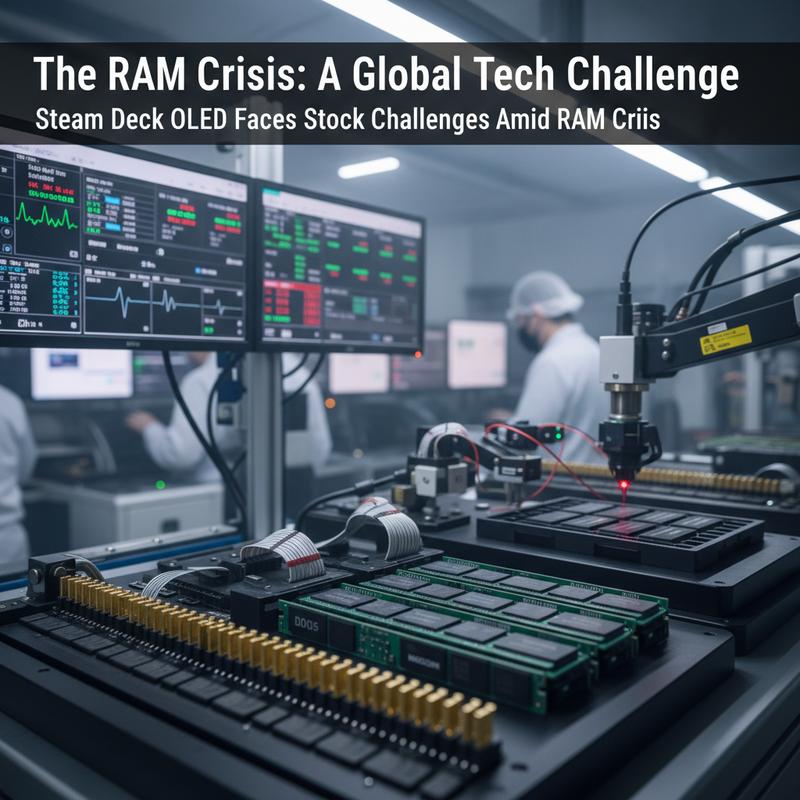
The tech industry is facing a significant challenge as a global RAM shortage affects product availability and development, echoing the earlier semiconductor crisis. As companies grapple with this issue, Valve’s popular Steam Deck OLED is among the latest casualties, leading to intermittent stock issues and delays in product launches.
Valve recently updated their Steam Deck website to inform consumers about potential stock shortages of the Steam Deck OLED due to constraints on memory and storage components. This revelation comes on the heels of similar announcements affecting other Valve products. The Steam Machine, Steam Frame, and Steam Controller have had their release timelines pushed back from early 2026, as the company struggles to lock down concrete pricing and launch dates.
“We have work to do to land on concrete pricing and launch dates that we can confidently announce, being mindful of how quickly the circumstances around both of those things can change,” Valve mentioned in a recent update. The company aims to introduce these products within the first half of 2026, but the path forward is being dictated by the erratic nature of component supply, a reality many tech companies must now contend with.
The indiscriminate impact of the RAM crisis is reminiscent of previous industry disruption caused by semiconductor shortages that affected global supply chains across multiple sectors. As demand for electronic devices surged, manufacturers have struggled to keep pace due to limited availability of vital components, leading to unexpected production delays and cost adjustments across the board.
For gamers and tech enthusiasts eagerly awaiting the latest gadgets, this translates to unpredictability in product availability and pricing fluctuations. Companies like Valve are at the mercy of supply chain dynamics, needing to balance consumer demand with component scarcity – a conundrum that echoes throughout the tech industry at large. For those interested in tracking the shifts in availability and pricing, detailed insights into Steam Frame delay pricing can provide a deeper understanding of industry impacts.
The prognosis from industry insiders suggests that while the immediate future may be rocky, these challenges could potentially spur innovation as companies seek alternative solutions to dependence on scarce resources. Exploring newer technologies or redesigning existing product architectures could emerge as a critical trend as brands seek to mitigate the risks posed by such global supply crises.
For consumers, navigating this environment means staying informed and understanding the circumstances that affect product releases and availability. As companies work towards overcoming these supply hurdles, keeping abreast of developments can aid in making timely purchasing decisions. The current scenario forces a reflection on how intertwined global supply chains are and the importance of flexible and resilient procurement strategies.
Final thoughts
Valve is committed to overcoming the RAM crisis to ensure the Steam Deck OLED’s availability meets the steady demand. The company is actively seeking solutions and strategizing launches for delayed products. Gamers should stay updated on further announcements and explore existing alternatives in the market. Meanwhile, Valve’s transparency in addressing these hardware shortages will build trust and reinforce its dedication to the gaming community. This unprecedented situation highlights the broader impacts of tech component shortages on innovative products worldwide.
Source: https://www.theverge.com/games/879845/valve-steam-deck-oled-out-of-stock-memory-storage-ram-crisis