These days, almost everything we do is online, and keeping your privacy intact matters more than it used to. Virtual Private Networks (VPNs) can help by encrypting your connection and hiding what you’re doing online. But with so many choices, it’s fair to wonder if you actually need one. This guide breaks down what VPNs are, what they’re good for, what to consider before picking one, and the real pros and cons. By the end, you’ll have what you need to decide if a VPN fits your life and how you use the internet.
What a VPN Is and Why It Matters
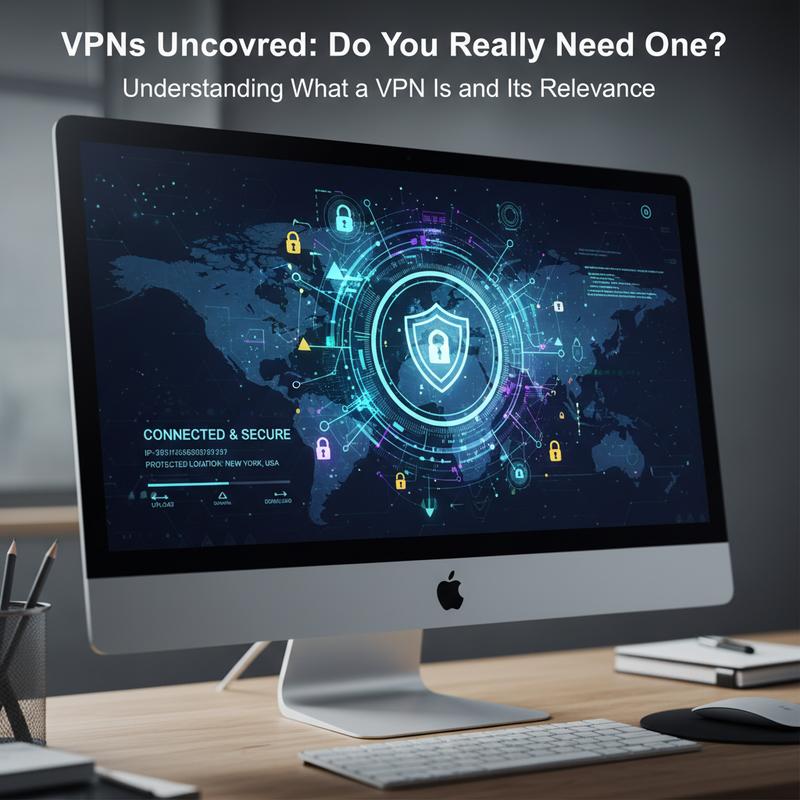
VPNs matter because online privacy and security aren’t guaranteed anymore. A VPN (Virtual Private Network) creates a private, encrypted tunnel between your device and the internet. In simple terms, it wraps your data so other people can’t easily read it if they manage to intercept it.
Encryption is the main idea behind how a VPN protects you. With protocols like OpenVPN, WireGuard, and IKEv2/IPsec, your data gets scrambled using AES-256 encryption before it ever leaves your device. Then, as your traffic runs through the VPN server, your real IP address is swapped out for the server’s IP, which helps hide your location and makes your browsing harder to track.
When your traffic reaches the VPN server, it’s decrypted so it can load the websites or services you’re trying to use, and then it gets passed along to its destination. So the whole thing works by combining encryption, IP masking, and tunneling to keep your connection more private.
VPNs are especially useful because cyber threats keep climbing. Security is a big deal on public networks like cafes or airports, where attacks like man-in-the-middle can let someone intercept what you’re sending. A VPN helps by encrypting sensitive info, which lowers your risk. And if you care a lot about privacy, a VPN can also limit ISP snooping and make it tougher for third-party sites to track you.
VPNs can also help you get around geo-blocks, so you can access content that’s limited to certain regions. And for remote workers, VPNs can provide a safer way to reach company networks, which helps protect work data outside the office.
Still, a VPN doesn’t make you completely anonymous. The provider may still be able to see your traffic, which is why picking a trustworthy service matters. And yes, you might notice a small speed drop because of the encryption. For a lot of people, that trade-off is worth it for the extra privacy and security.
Key Benefits of Using a VPN
Online, privacy can feel like it’s always slipping away. That’s where VPNs can really help. By creating an encrypted tunnel between your device and the internet, a VPN hides your IP address and makes it look like you’re browsing from somewhere else. That change is a big part of why VPNs can boost privacy—they make it harder for advertisers and data brokers to follow you around. A 2023 Surfshark study found VPN users saw up to an 86% drop in tracking cookies, which gives a pretty clear reason some people keep a VPN on all the time.
Public Wi-Fi is handy, but it’s also risky. Cybercriminals often target open networks because it’s easier to intercept data. VPNs help protect you here by using strong encryption protocols like OpenVPN and WireGuard. And the risk isn’t just theoretical: a 2024 Norton report found that 25% of users experienced data theft on unprotected public networks—something a VPN can help prevent.
The internet isn’t as open as it sounds, thanks to geo-restrictions and censorship. Whether you’re trying to access a different Netflix library or get around a national firewall, VPNs can help by letting you “spoof” your location. ExpressVPN’s 2025 analysis showed VPNs could unlock 20-30% more content on streaming platforms, which is a big plus for streamers and people in heavily restricted regions.
Now, there’s also a money angle. By connecting through different locations, some people can get around dynamic pricing and find cheaper flights or subscriptions. A 2024 VPNMentor study reported potential savings of 20-50% when shopping through price-sensitive markets.
On the flip side, VPNs can also help with ISP throttling by hiding high-bandwidth activity from your provider. That can make streaming or gaming smoother in places where net neutrality rules don’t really protect consumers, since it’s harder for an ISP to slow down specific types of traffic.
You might see a small speed hit, but plenty of people are fine with that trade for better privacy, stronger security, and more access. VPNs are usually pretty affordable, and they can fit a lot of different needs. If you want more ways to protect yourself online, check out practical cybersecurity habits, which can make a real difference in everyday browsing.
Do You Need a VPN?
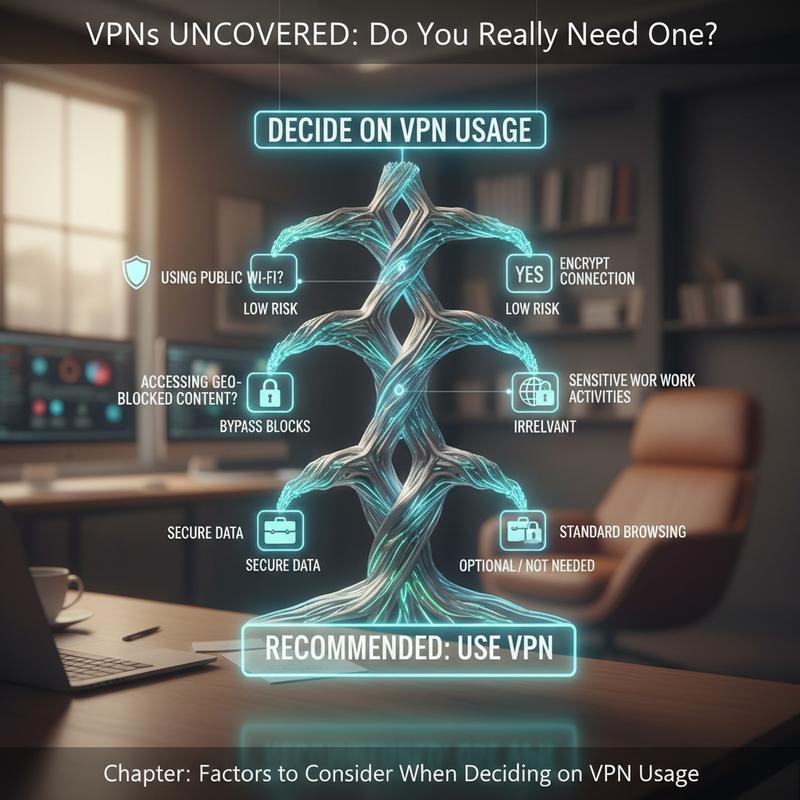
If you’re trying to decide whether a Virtual Private Network (VPN) makes sense for you, there are a few things to think through. It usually comes down to security, speed, how you use the internet, and what’s allowed where you live or travel.
Start with your security and privacy needs. VPNs can help protect you on unsecured public Wi-Fi by encrypting your traffic, which makes it harder for someone to intercept it or steal data. That’s a big deal if you’re doing online banking or sending private messages while you’re out and about. But a VPN isn’t a cure-all—it won’t stop malware or automatically block dangerous websites. So it’s smartest to use a VPN along with antivirus software and basic safe browsing habits.
The trustworthiness of the VPN provider matters a lot too. Look for a strong no-logs policy, so your activity isn’t recorded or sold. Location can matter as well, since some jurisdictions are more privacy-friendly than others. And free VPNs can come with strings attached—sometimes the “payment” is your data—so paying for a reputable provider is often the safer move.
Then there’s performance. VPNs can slow things down a bit because your traffic is being encrypted and routed through another server. If you stream a lot or do other high-bandwidth activities, that can matter. Protocol choice can help, though—WireGuard is often faster than older options.
Legal and location-specific rules can also change the whole situation. In places with heavy censorship, like China, a VPN might be the only way to access blocked sites—but it could also be illegal. So you’ll want to understand local laws before using one.
Cost is part of the equation as well. Premium VPNs charge subscription fees, but the risks of using free ones can be higher. And if you’re mostly just browsing at home on a secure network, you might not need to run a VPN all the time, which can also help you avoid speed drops and save money.
In the end, it comes down to your personal risk level. If you travel often or do higher-risk online activity, a VPN can be well worth it for the extra peace of mind.
VPN Pros and Cons
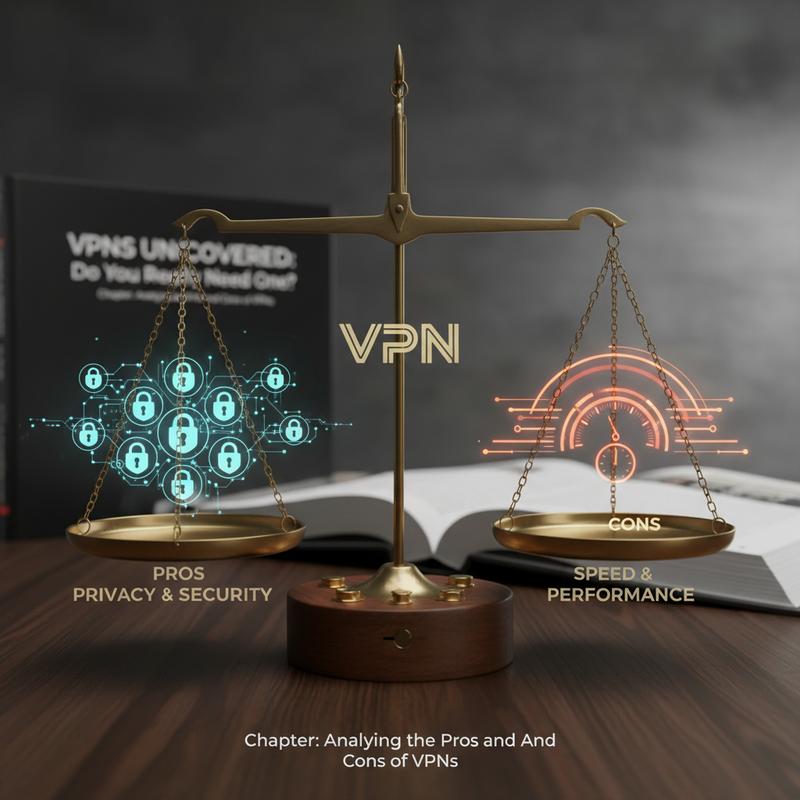
VPNs can do a lot for your privacy, but they’re not perfect. They encrypt your traffic and hide your activity, which can be a big win. But you’ll want to weigh that against the downsides before you commit.
A major benefit is better privacy. By hiding your IP address and encrypting your data, VPNs can keep ISPs, websites, and attackers from easily seeing what you’re doing online. This is usually done through protocols like OpenVPN and WireGuard, using AES-256 encryption. A 2024 EFF report also highlighted that VPN use can reduce third-party tracking by a significant margin.
VPNs are also great for getting around geo-restrictions. If you want to watch streaming content from another region or play on servers overseas, a VPN can make it look like you’re connecting from another country. Many well-known services run thousands of servers worldwide, which helps people get past regional blocks more often.
But there are trade-offs. The biggest con for many people is the speed drop. Encryption and extra routing add latency, and benchmarks often show a 10-50% decrease in speed. It can be worse on far-away servers, which matters a lot for real-time stuff like competitive gaming.
And even though VPNs help with privacy, they don’t guarantee total anonymity. Some providers may log data, and issues like DNS or IPv6 leaks can still happen. Quantum computing may also challenge today’s encryption in the future, though newer protocols are being designed with those risks in mind.
Another issue is service blocks and legal trouble. Streaming services and websites keep getting better at detecting and blocking VPN traffic, so results can be hit or miss. And in places with strict censorship, using a VPN could bring unwanted attention—or even legal consequences.
So, a VPN can improve privacy and access, but it works best when you choose carefully and keep expectations realistic. If you want more ways to protect yourself beyond VPN use, take a look at 5 cybersecurity habits every small business must adopt.
Final thoughts
VPNs can add a helpful layer of protection, especially if you use public Wi-Fi a lot or want access to content that’s blocked in your region. But not everyone needs one all the time. The main thing is to balance the upsides with drawbacks like possible speed drops. Once you’re clear on your own risks and how you use the internet, it’s much easier to tell whether a VPN makes sense for you.
Want a hand setting up a VPN that fits what you actually need? IT Carolina can help you get it sorted without the headache.
Learn more: https://itcarolina.com/about/
About us
At IT Carolina, we make online protection easier for everyday users by setting up reliable VPN services that help protect your activity and improve streaming access. Whether you want to lock down your home network or get around geo-restrictions for the shows you love, our team helps you get fast, private connectivity without the confusion. We can help with everything—from choosing a VPN provider to setting it up on all your devices—so you can use the internet more safely and with fewer limits. Count on IT Carolina for IT support that keeps your tech secure and easy to live with.