Valve is quietly reshaping the tech landscape with a vision that extends far beyond its pioneering game console, the Steam Machine. In an exclusive interview, Valve’s insights reveal a strategic move to bridge the gap between traditional PC gaming and the ever-expanding world of Arm-based devices, including smartphones. This development could redefine gaming ubiquity, making once-complex PC games accessible on a wider array of platforms. As we delve into the nuances of Valve’s strategy, we discover how Proton and Fex technologies are setting the stage for a seamless gaming future that transcends current hardware limitations. We explore the implications of this shift, the potential rise of a Steam Phone, and how this technological leap aligns with global trends towards more versatile, energy-efficient computing.
Valve’s Strategic Shift: Embracing Arm Technology
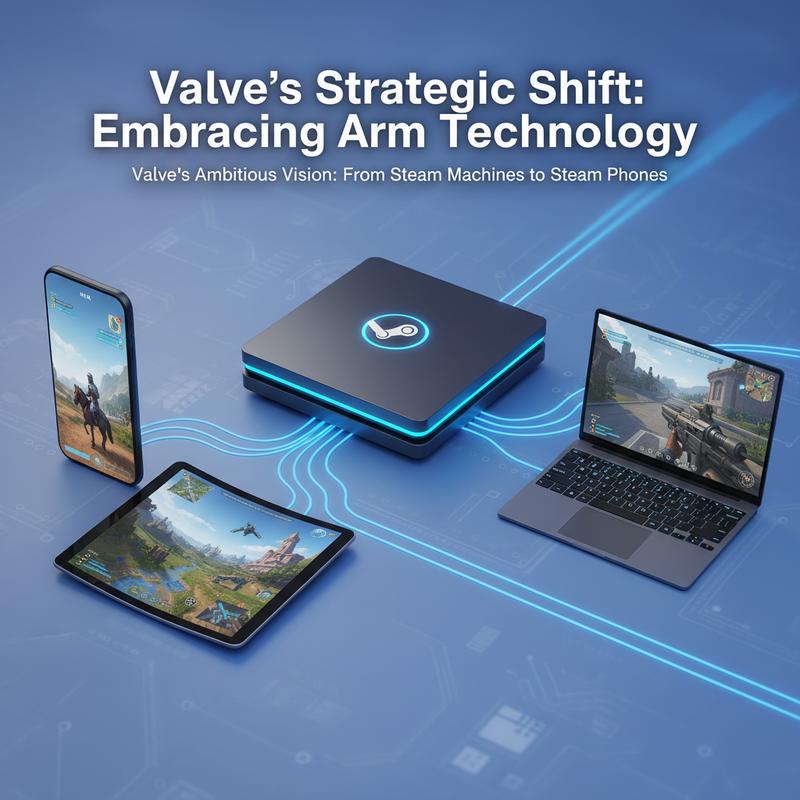
In the ever-changing landscape of gaming technology, Valve is making a significant pivot. The company’s latest effort to bring Windows games to Arm devices marks a strategic departure from their previous hardware ventures. Their focus on Arm architecture could potentially redefine not just gaming consoles, but also the capabilities of smartphones worldwide.
This evolution stems from Valve’s investment in open-source technology, notably through Proton and Fex, which are bridging the gap between x86 and Arm architectures. At the forefront of this initiative is Valve’s Pierre-Loup Griffais, alongside developer Ryan Houdek, both playing pivotal roles in bringing this complex project to life. The success of this endeavor rests on the premise that Arm chips offer more versatile power and cost-efficient solutions compared to their x86 counterparts.
The Tech Inside
Valve’s technological stack may seem labyrinthine at first glance, but it’s a well-orchestrated operation. It begins with Proton, an adaptation of Wine, which allows Windows-based games to run on Linux systems. What Valve has now done is ingeniously integrate Fex into this equation, facilitating the much-needed compatibility layer for Arm devices. This setup not only makes PC games playable on devices like the Samsung Galaxy but also onto any future Arm-based gaming notebooks or desktops.
For the uninitiated, the process involves translating x86 code into Arm code via a just-in-time translator, ensuring minimal performance hit courtesy of Fex. This methodology offers a streamlined gaming experience without requiring developers to re-port their games for new architectures. Arm offers competitive advantages in power efficiency and cost-effectiveness, making it especially appealing for handheld gaming devices.
Behind the Fex Curtain
Valve’s role in Fex development has been discreet yet instrumental. Valve has funded the core development team from the beginning, ensuring that nothing derails this ambitious project. Valve’s objective was to prevent developers from getting bogged down by the tedious task of porting games. Valve believes in letting developers focus on what they do best—crafting engaging gaming experiences.
The Arm-enabled Proton aims not merely to facilitate Arm-compatible gaming but also to expand the gaming ecosystem itself. By opening avenues for game developers to explore Arm platforms without additional overhead, Valve is effectively democratizing the process.
The Broader Implications
What does this shift mean for the gaming world? For one, the reduced dependency on x86 infrastructure is poised to broaden the market’s horizons, leading to more inclusive gaming experiences. With Arm chipsets now legitimately competing with their x86 peers, especially in portable and low-power scenarios, the stage is set for more diverse and economically viable gaming solutions.
Griffais remains tight-lipped about when we might see an official ‘Steam Phone,’ but the groundwork being laid could easily pave the way for such a development. Valve’s push could eventually result in a landscape where devices like ultraportables and powerful laptops seamlessly run a unified catalog of games irrespective of their internal architecture.
In partnering with OEMs and exploring collaborations, Valve maintains they are open to becoming the driving force in this domain, freeing themselves from the shackles of traditional PC constraints. Whether Valve’s strategic shift to Arm technology succeeds will depend on continued development and market acceptance. However, the trajectory seems promising as Valve boldly embraces an Arm-driven gaming future.
Final thoughts
Valve’s venture into enabling Arm devices to run Windows games marks a pivotal moment in gaming history. By removing the hurdles of game porting and fostering compatibility across platforms, Valve is leading a transformative shift towards inclusive gaming experiences. This initiative not only illustrates the potential for Steam Phones but also highlights Valve’s commitment to innovation. As Arm chipsets continue to advance, Valve’s vision promises a future where gaming knows no bounds, offering enhanced accessibility and performance across a myriad of devices. Tech enthusiasts and gamers alike can look forward to a diversified ecosystem where gaming is liberated from traditional constraints, heralding a new era for the industry.
Source: The Verge – https://www.theverge.com/report/820656/valve-interview-arm-gaming-steamos-pierre-loup-griffais