2025 has seen another fantastic year for Windows on Arm, as these laptops continue to grow in viability and performance. Thanks to Qualcomm’s Snapdragon X chips and numerous software enhancements, Arm-based Windows laptops offer impressive battery life and solid performance. However, the competition is fierce, with new chips and features from Intel and AMD adding to the mix. The gradual closing of the gap between x86 and Arm-based systems has made Arm laptops a viable option for more users. This article will explore the notable advancements in Windows on Arm technology, the challenges it faces, and what 2026 holds with new competitors and ongoing innovations.
Snapdragon X: A Quantum Leap in Arm Computing
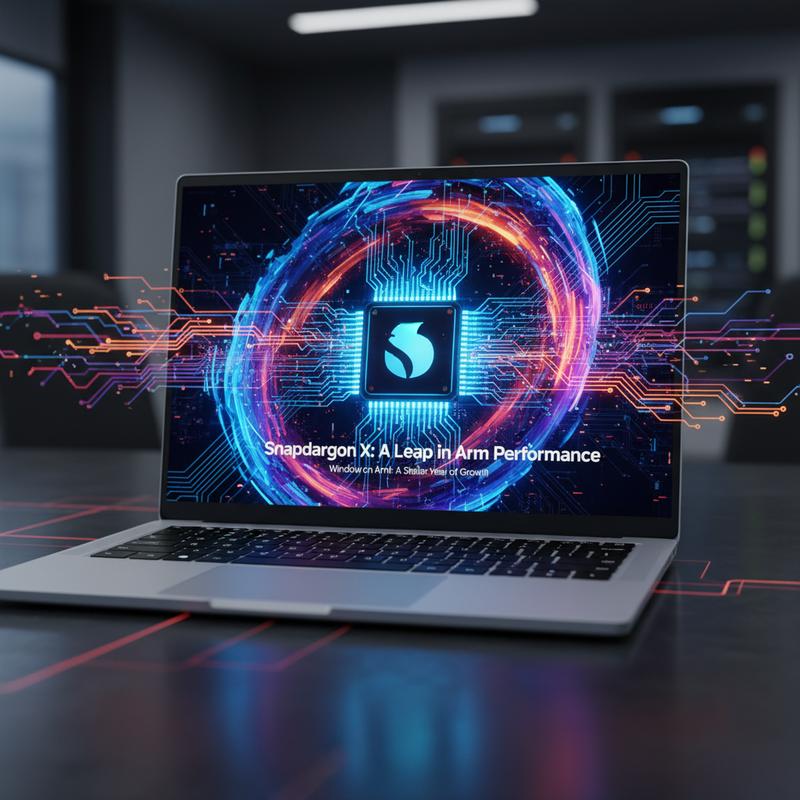
The past year marked a significant shift in the terrain of portable computing with Windows on Arm, notably with Qualcomm’s Snapdragon X chips driving the change. For years, Arm-based laptops running Windows struggled to provide a seamless experience, often lagging in performance and battery management compared to their x86 counterparts. However, with the release of Qualcomm’s Snapdragon X, these devices have started to close the gap, offering robustness that was once the stuff of wishful thinking for Arm devices.
The Snapdragon X chips have transformed what it means to use an Arm-based Windows laptop. They offer solid performance without sacrificing the battery, which has been a sticking point in previous models. This new level of efficiency is evident in devices like Microsoft’s Surface Laptop and Surface Pro, which leverage the Snapdragon X to deliver an impressive balance of power and portability.
However, the journey wasn’t without its hurdles. Inconsistent app compatibility initially cast a shadow over these advancements. Users found themselves making uncomfortable compromises, such as using lighter versions of creative applications like Adobe Lightroom, rather than the full-featured Classic edition. Fortunately, 2025 saw a steady stream of software improvements thanks to native versions of many previously unsupported applications and enhanced emulation techniques. Games, once a weak spot for Arm platforms, are now gaining traction, with a range of titles becoming playable due to these emulations and driver updates.
The advancements also include the improved support for x86 Advanced Vector Extensions (AVX) and AVX2, which help bridge the performance gap in emulated scenarios. Furthermore, Qualcomm’s introduction of a Snapdragon Control Panel for real-time graphics driver updates mirrors the approach taken by Nvidia, AMD, and Intel, aiming for efficiency in graphics processing—an area where Arm has long lagged.
The outlook for Windows on Arm is promising, yet it faces stiff competition. The x86 architecture, long-standing and reliable, has been rejuvenated with releases like Intel’s Lunar Lake and AMD’s Strix Point, which vie closely with Snapdragon’s offerings in performance and battery efficiency. The arrival of even more competitors is on the horizon, with rumors suggesting that Nvidia might soon introduce its own Arm-based chip focused on delivering superior graphics performance.
Meanwhile, pricing strategies make these advancements more accessible. Microsoft’s entry-level 13-inch Surface Laptop, especially with occasional sales dropping its price to $550, represents a strong value proposition. On the other hand, Intel and AMD continue to refine their responses to Arm’s challenge, laying the groundwork for an exciting year ahead in 2026 as they prepare to launch Panther Lake and the speculated “Gorgon Point.”
In this climate, Windows on Arm is not just competing with itself but is disrupting entrenched expectations of laptop performance. As Qualcomm readies its next-generation Snapdragon X2 chips, anticipation runs high. The leap in capabilities heralds progress not only for Arm hardware but also for setting a new standard for Windows laptops as a whole. The year 2026 could be a tipping point, pushing the debate beyond whether to opt for Windows on Arm or x86. It could redefine what users expect from their laptops across the board.
However, beyond hardware innovations, Microsoft’s evolving operating system strategy could impact adoption trends. Windows is becoming more “agentic,” blending more AI-driven features, which some posit could alienate users. Coupled with the rising rapport of alternative software ecosystems like Linux, which has gained ground significantly, the coming year promises intriguing challenges and opportunities.
The narrative is evolving, and with it, Windows on Arm continues to gain momentum. As we approach this pivotal year, the focus widens from simple performance metrics to a broader rethinking of the laptop experience. This year, arm your arsenal with informed choices, because the hardware battlefield is about to get even more fascinating.
Final thoughts
In summary, 2025 has marked yet another year of impressive growth for Windows on Arm. The advancements made in both hardware and software have opened new opportunities and enhanced the user experience in exciting ways. As we look forward to 2026, it’s clear that Windows on Arm is poised to continue its upward trajectory, with promising developments from Qualcomm and increased competition energizing the landscape. For tech enthusiasts and everyday users, this is an era to watch closely, as the evolving technology landscape promises more innovative solutions and choices in the computing world.
Source: https://www.theverge.com/gadgets/850074/2025-windows-arm-laptops-qualcomm-intel-amd-nvidia