The gaming industry is facing a major disruption, as Google’s Project Genie—a new AI world-generation tool—is shaking up the dynamics of game development and impacting stock prices. The ability of this AI tool to create virtual worlds from simple prompts has sent ripples across the industry. Key players like Take-Two Interactive, Roblox, and Unity have already experienced significant stock price drops following the announcement. This article explores how Google’s innovation challenges traditional game development, investor reactions, and the ramifications for the gaming ecosystem.
AI-Powered World-Building: Project Genie and Its Impact on Game Development
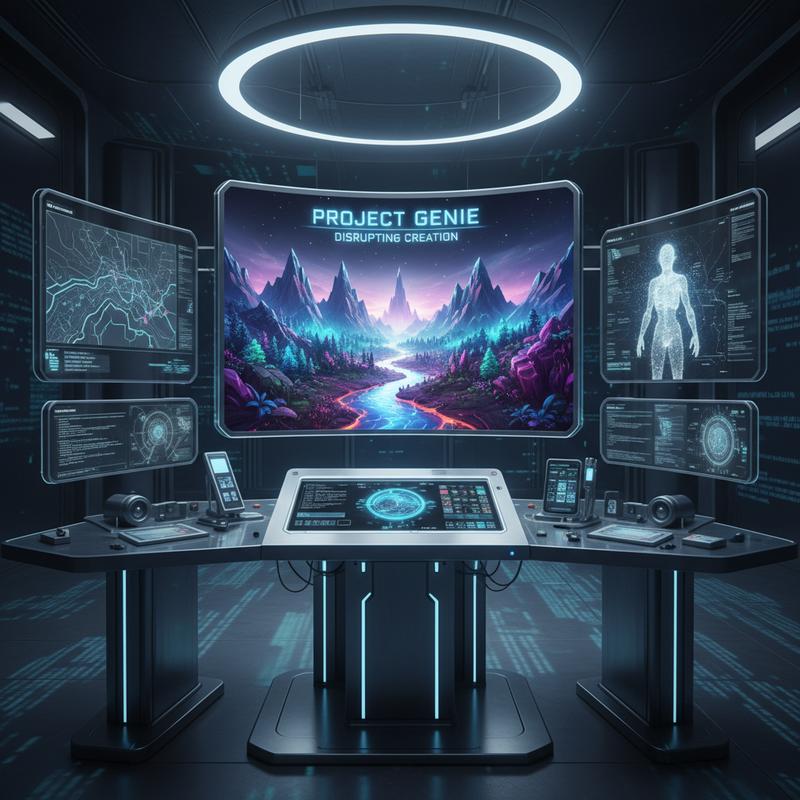
The potential of AI to revolutionize industries has rarely been so vividly demonstrated as with Google’s Project Genie. Announced as a tool with the capability to generate interactive virtual worlds from user prompts, Project Genie has already sent ripples through the gaming industry, causing stock prices for major companies like Take-Two Interactive, Roblox, and Unity to plunge.
Project Genie leverages the power of artificial intelligence to create virtual landscapes that, while still rudimentary, hint at a future where game design might be largely automated. This innovation comes at a time when the gaming industry is already under strain, dealing with layoffs and an ongoing push to optimize production processes. While the generated worlds bear resemblance to iconic games in aesthetics, they lack crucial game elements such as objectives, sound, and intricate gameplay.
Despite its current limitations—creations are only 60 seconds long and cannot be integrated into more traditional development tools like Unreal Engine—the implications of Project Genie are significant. The technology represents both a potential shift in how content is produced and a threat to the jobs traditionally associated with testing and conceptual development roles. Investors and executives in the gaming sector are already paying attention, as highlighted by comments from tech leaders such as Elon Musk and Tim Sweeney. Musk envisions a future where real-time, high-quality gaming experiences can be tailored to individual users, while Sweeney predicts ongoing competition and eventual synergy between different AI technologies tailored for game creation.
But the arrival of AI tools like Project Genie is not without controversy. The basis of these tools often involves training on vast datasets of publicly available material, which has sparked debate over intellectual property and the potential for AI to ‘rip off’ existing creative works. Google’s Diego Rivas has assured that Genie 3, the engine underneath Project Genie, was built with publicly available web data. Yet, concerns linger among game developers and artists about what this means for creative ownership and the future of the industry’s labor force.
Adding layers to the discourse are critiques from testers and developers who’ve noted certain deficits in Project Genie, such as unexpected errors in the environment terrain and the inability to produce fully interactive games. Despite these issues, Project Genie signals a shift toward AI-driven creativity in gaming that could redefine the landscape. As Google’s venture unfolds, all eyes are focused on how this tool will continue to evolve and impact the gaming industry’s future. This shift aligns with broader trends of artificial intelligence increasingly influencing various sectors, demonstrating potential benefits and sparking new challenges. For more insights into the balance of benefits and concerns AI brings to workplaces, see our coverage on AI workplace benefits and losses.
Final thoughts
Google’s Project Genie is setting the stage for a turbulent yet innovative phase in the gaming realm. While traditional game developers and companies grapple with the challenges posed by AI tools, the technology harbors immense potential for new types of creative outputs and possibly, more accessible ways for independent developers to enter the market. As the industry adapts to these changes, the balancing act between innovation and preserving unique artistic qualities will define the future trajectories of these key players.
Source: https://www.theverge.com/games/871348/google-project-genie-take-two-roblox-unity